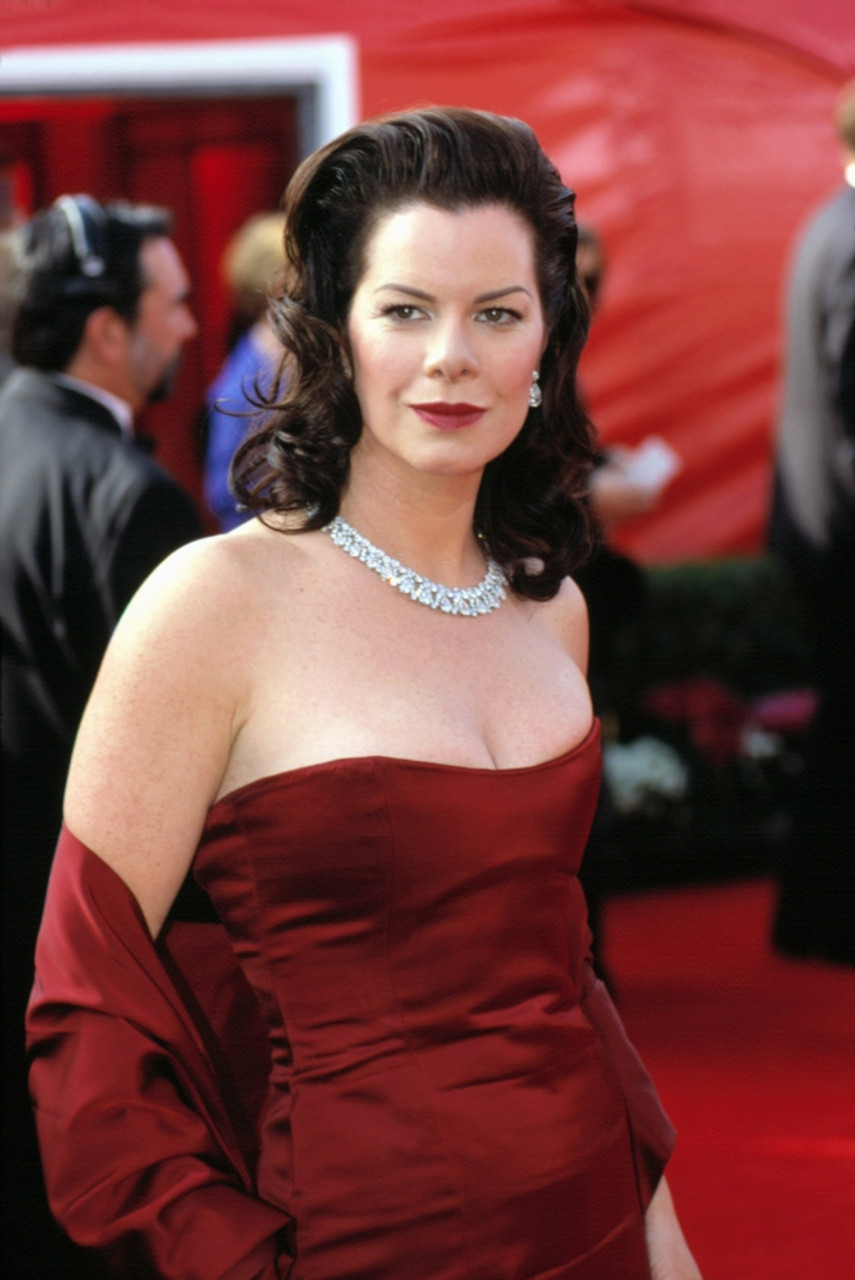
Few performers in modern American cinema and theater possess the quiet strength and versatility of Marcia Gay Harden. With a career spanning over three decades, she has defied the Hollywood mold — embracing complexity over glamour, intelligence over showiness, and truth over artifice. Whether she’s commanding a Broadway stage or capturing subtle heartbreak on screen, Harden has built a career defined not by fame, but by fearless authenticity.

Born on August 14, 1959, in La Jolla, California, Harden grew up in a military family that moved frequently — from Japan to Greece to Germany — before settling in Maryland. That early exposure to different cultures gave her a profound curiosity about people and the worlds they inhabit. It also shaped her adaptability, a quality that would later define her acting. After earning a degree in theater from the University of Texas at Austin, she went on to study at New York University’s Tisch School of the Arts, where she refined the craft that would make her one of the most respected actors of her generation.
Her breakout came in 1990, when she appeared in the Coen Brothers’ neo-noir masterpiece Miller’s Crossing. As Verna Bernbaum, the enigmatic woman entangled in a world of gangsters and deceit, Harden delivered a performance that balanced allure and intelligence with just the right amount of danger. Critics immediately took note — she wasn’t just another femme fatale; she was a fully realized woman with secrets and agency.

It was the start of a pattern that would define Harden’s career: a refusal to play one-dimensional roles.
Throughout the 1990s, she moved effortlessly between independent films, Hollywood dramas, and stage productions. But it was her portrayal of Lee Krasner — the fiery, complicated wife of painter Jackson Pollock — in “Pollock” (2000) that truly cemented her reputation. Acting opposite Ed Harris, Harden transformed what could have been a supporting role into the emotional anchor of the film. Her Lee was loyal yet frustrated, fierce yet vulnerable — a woman caught between love and art, sacrifice and selfhood.
Her work was so powerful that it earned her the Academy Award for Best Supporting Actress, beating out several high-profile contenders. During her acceptance speech, Harden humbly thanked Harris “for the honor of working with you” — a testament to her collaborative spirit and deep respect for the craft.
Just three years later, she delivered another unforgettable performance in Clint Eastwood’s “Mystic River” (2003). Playing Celia Boyle, the stoic wife of Kevin Bacon’s detective, Harden’s quiet intensity and emotional precision gave the film its moral gravity. Her scenes were few, but every glance and silence carried weight. The performance earned her another
Oscar nomination, this time for Best Supporting Actress — a rare acknowledgment for such understated work.
But Harden’s artistry extends far beyond film. On Broadway, she has built a parallel legacy of brilliance. She starred in Tony Kushner’s Angels in America, bringing grace and nuance to the sprawling, ambitious play that redefined modern theater. Then, in 2009, she won the Tony Award for Best Actress in a Play for her performance in God of Carnage, Yasmina Reza’s darkly comic dissection of middle-class civility.
On stage, Harden’s power lies not in grand gestures, but in control — the measured tone of a line, the flicker of irony in her expression, the vulnerability that sneaks through composure. Critics have often said that she can turn a single pause into a revelation.

Her range on television has been just as impressive. In CBS’s medical drama “Code Black” (2015–2018), Harden played Dr. Leanne Rorish, a brilliant but emotionally scarred ER doctor navigating chaos with both toughness and tenderness. She brought a grounded realism to the role, embodying the quiet heroism of those who carry the world on their shoulders.
More recently, she has captivated audiences again in “So Help Me Todd” (2022–present), where she stars as Margaret Wright, a sharp, uncompromising attorney whose son (played by Skylar Astin) becomes her unlikely partner in solving cases. The show balances legal drama with humor and heart, and Harden’s portrayal brings both steel and warmth — proof that her versatility remains as vibrant as ever.

Across all mediums, what sets Marcia Gay Harden apart is her refusal to be predictable. She can shift from commanding authority to raw vulnerability in a heartbeat. Her characters — whether it’s a weary mother, a fierce professional, or a broken lover — always feel lived-in, layered, and achingly real.
Harden has often said that she doesn’t choose roles for their glamour, but for their truth. “I’m drawn to the flawed,” she once explained in an interview. “Perfection doesn’t exist — in art or in people. It’s the cracks that make something beautiful.”
That philosophy is evident in everything she does. From Pollock to Mystic River, from Angels in America to Code Black, she has consistently gravitated toward stories that explore the human condition in all its contradictions.

Off-screen, Harden is also a passionate advocate for the arts and education. She has written candidly about motherhood and life as a working actor in her memoir The Seasons of My Mother: A Memoir of Love, Family, and Flowers (2018), where she reflected on her mother’s struggle with Alzheimer’s and the enduring bond between them.
Her personal and professional lives share a common thread — empathy. Whether portraying grief, strength, or humor, Harden brings empathy to every role, turning even the smallest moments into emotional truths.
At an age when many actors slow down, Marcia Gay Harden seems to only deepen in her artistry. She continues to take risks, to transform, and to remind audiences that true power often speaks softly.
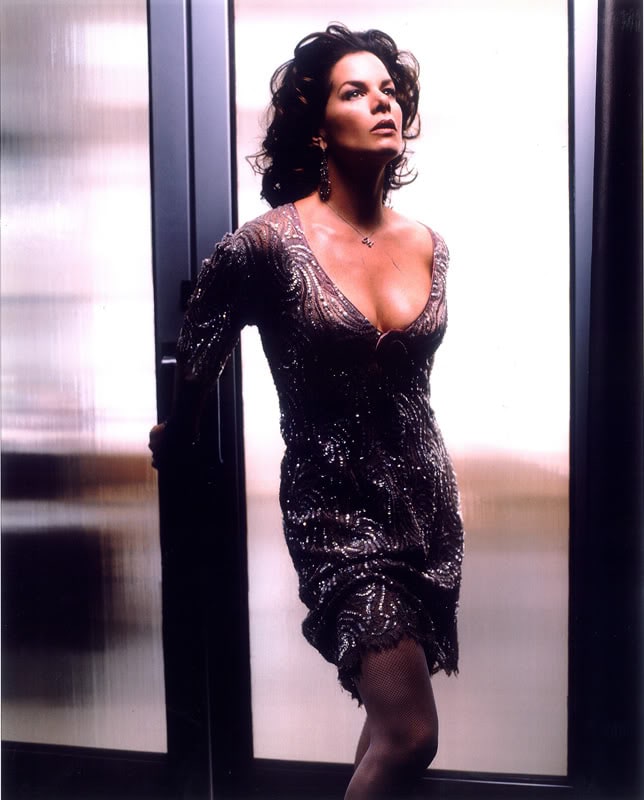
✨ Marcia Gay Harden isn’t just an actress — she’s an alchemist of emotion.
From Broadway to Hollywood, from hospital wards to courtrooms, she has built a legacy defined by intelligence, integrity, and an unwavering commitment to the truth in every character she plays.