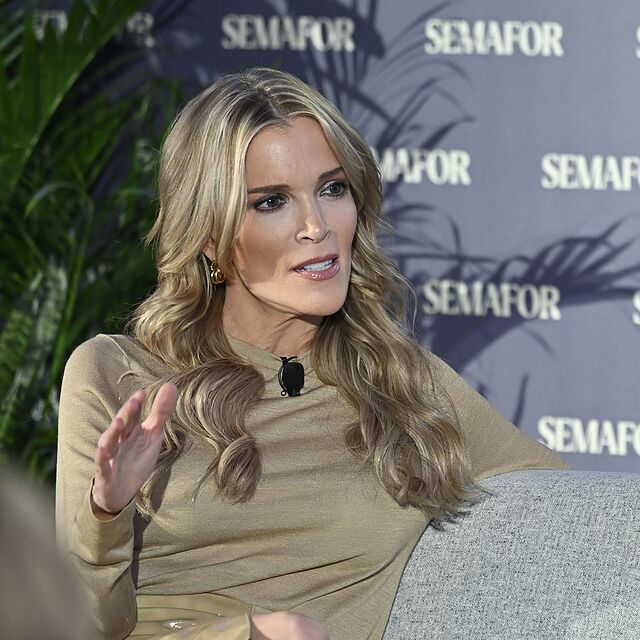
Megyn Kelly has faced intense criticism online after discussing Cindy Crawford and her family in the aftermath of the reported death of Crawford’s son, Presley Gerber.
The comments, made on The Megyn Kelly Show, quickly sparked a heated debate about addiction, parenting, celebrity culture and whether it is appropriate to publicly examine a grieving family’s choices immediately following a tragedy.
Crawford and her husband, Rande Gerber, are reportedly mourning the loss of their son, Presley.
Following the devastating news, the family asked for privacy as they dealt with what they described as an extremely painful period.
Their request prompted an outpouring of sympathy from people online, many of whom urged the public to allow the family time and space to grieve.
But the conversation soon took a different direction after Kelly discussed Presley’s life and questioned some of the decisions made by his parents.
- Megyn Kelly Questioned Cindy Crawford’s Parenting
- The Comments Quickly Spread Online
- Critics Said the Family Deserved Compassion
- Some Users Refused to Hear the Full Discussion
- Presley’s Death Also Renewed Conversations About Addiction
- Others Questioned How Much Responsibility Parents Should Carry
- Presley Entered the Modeling World Young
- Presley’s Face Tattoo Became Another Point of Debate
- The Timing Became the Main Source of Anger
- One Comment Captured the Intensity of the Backlash
- A Family Tragedy Became a Public Debate
- Why the Reaction Has Been So Strong
Megyn Kelly Questioned Cindy Crawford’s Parenting
During her podcast discussion, Kelly focused in part on Presley’s early involvement in the entertainment and modeling industries.
She argued that Presley and his sister had been exposed to commercial opportunities at a young age and suggested that Crawford, because of her own experience as a highly successful model, should have understood the potential risks.
Kelly pointed to Presley’s claim that he had been signed professionally when he was 15 and questioned whether entering that world so young could have contributed to later difficulties.
She also referenced a tattoo Presley received when he was 21.
In particular, Kelly focused on the word “misunderstood,” which Presley had tattooed on his face.
She characterized the decision as a serious warning sign and argued that it should have prompted a stronger response from his family.
Those remarks immediately attracted attention because they were made in the aftermath of Presley’s death.
Many people felt that Kelly was placing too much responsibility on Crawford and Gerber while they were still dealing with the loss of their son.
The Comments Quickly Spread Online
Kelly later shared a clip of her discussion on X.
The response was overwhelmingly critical, with numerous users arguing that the timing and tone of the comments were inappropriate.
Many people said that whatever questions might eventually be raised about addiction, fame or parenting, Crawford and Gerber deserved compassion while mourning.
One user responded directly to Kelly, accusing her of unfairly criticizing a mother who had just lost her son.
The commenter argued that addiction can affect families regardless of their wealth, social status or professional background and said that a person’s career or parenting style does not necessarily explain why someone develops an addiction.
Other users expressed similar concerns.
Critics Said the Family Deserved Compassion
One commenter questioned why Kelly had chosen to focus on the parents’ decisions so soon after the tragedy.
The user argued that publicly discussing a grieving family’s supposed failures immediately after the death of their child was unnecessarily cruel.
Another person said that a young man had died and questioned why Kelly’s immediate reaction was to analyze his parents.
The criticism repeatedly returned to the same issue.
People were not necessarily arguing that addiction, celebrity culture or parenting should never be discussed.
Instead, they objected to connecting those subjects directly to Crawford and Gerber’s loss at such an early stage of their grief.
For many commenters, the family’s request for privacy should have been enough reason to step back.
Some Users Refused to Hear the Full Discussion
For some critics, Kelly’s comments were enough to make them reject the entire conversation without listening to the full podcast segment.
One commenter said they would not listen because they believed criticizing parents immediately after the death of a child struggling with addiction demonstrated a lack of compassion.
Another person simply pleaded with the public to leave the family alone.
The repeated calls for empathy echoed Crawford and Gerber’s own request for privacy.
Presley’s Death Also Renewed Conversations About Addiction
Some of the strongest responses came from people who said they had personal experience with addiction within their own families.
Rather than viewing addiction as something that can automatically be explained by parenting, these commenters described it as a complicated struggle capable of affecting families from virtually every background.
One person identified herself as the mother of someone struggling with addiction and expressed sympathy for the Gerber family.
She argued that addiction does not discriminate based on wealth, social position or family circumstances and suggested that mental-health struggles can make an already difficult situation even more complicated.
Her response highlighted why Kelly’s remarks struck such a sensitive nerve.
For parents who have watched their own children struggle with addiction, suggestions that the situation can be traced directly to parenting choices may seem far too simplistic.
Others Questioned How Much Responsibility Parents Should Carry
The discussion also raised a broader question about parental responsibility once children become adults.
One commenter argued that people should be cautious about judging parents for the decisions their adult children make.
Presley was 27 when he died, meaning he had already spent much of his adult life making his own choices.
Critics of Kelly’s argument pointed out that addiction is complex and cannot necessarily be traced to one decision made during childhood, one career opportunity or one family dynamic.
They argued that looking backward after a tragedy can create the illusion that every warning sign should have been obvious at the time.

Presley Entered the Modeling World Young
Kelly’s criticism focused partly on Presley’s early entry into modeling.
She referenced his statement that he had been signed when he was 15 and questioned whether entering the fashion and entertainment industries during adolescence could have exposed him to unhealthy pressures.
Cindy Crawford was already one of the most recognizable supermodels in the world, while Rande Gerber had established himself as a successful businessman.
Their children consequently grew up with an unusual level of public attention and access to opportunities that most teenagers never experience.
Kelly suggested that Crawford’s own experience with fame should have made her particularly aware of the possible dangers.
Her critics, however, argued that this was very different from establishing that those circumstances caused Presley’s later struggles.
They also objected to drawing a direct connection between his childhood experiences and his death without knowing all of the circumstances involved.
Presley’s Face Tattoo Became Another Point of Debate
Kelly also highlighted Presley’s decision to have the word “misunderstood” tattooed on his face at 21.
She viewed the tattoo as an indication that he may have been experiencing deeper difficulties and argued that it should have been treated as a serious warning sign.
That interpretation quickly became controversial.
Critics said that revisiting personal choices Presley made years earlier after his death risked turning his life into a list of supposed warning signs.
They also argued that a tattoo—even one that attracts attention—cannot by itself establish the existence of an addiction problem or explain a person’s later circumstances.
The disagreement over that point became another major part of the online discussion.
The Timing Became the Main Source of Anger
Much of the backlash was focused less on whether conversations about fame, addiction and parenting are legitimate topics and more on when those conversations were taking place.
Crawford and Gerber had just experienced the death of their son and had publicly asked for privacy.
Against that backdrop, many people felt that dissecting their parenting decisions was unnecessarily harsh.
Some commenters said there would be plenty of opportunities in the future to discuss the pressures faced by children raised around fame.
They argued that such conversations did not need to begin while the family was still dealing with the immediate aftermath of their loss.
Others went further, saying they believed Kelly’s comments were problematic regardless of timing because they appeared to draw conclusions about a private family situation that outsiders could not fully understand.
One Comment Captured the Intensity of the Backlash
While many users wrote lengthy explanations of why they disagreed with Kelly, others expressed their anger much more bluntly.
Some accused her of being insensitive.
Others described her comments as cruel or inappropriate.
The intensity of the language demonstrated just how emotionally charged the subject had become.
Instead of remaining primarily a discussion about celebrity culture or addiction, Kelly’s post became dominated by criticism of Kelly herself.
Again and again, users returned to one central point:
Crawford and Gerber had lost their son.
A Family Tragedy Became a Public Debate
The death of Presley Gerber has placed Crawford and Rande Gerber in the middle of an intensely painful personal situation while also drawing renewed public attention toward their family.
What began as an outpouring of sympathy quickly developed into a broader debate about addiction, celebrity children, parenting and the limits of public commentary following a tragedy.
Kelly’s remarks became the focus because she directly connected aspects of Presley’s upbringing and personal choices with what she viewed as serious problems within the family.
Her critics strongly rejected that interpretation.
They argued that addiction is far too complicated to reduce to a few parental decisions and that outsiders cannot know everything that happened inside another family.
For many of the people responding online, the immediate question was not who had made the right parenting choices years earlier.
It was whether a grieving family should be subjected to public criticism at all.
Why the Reaction Has Been So Strong
The controversy illustrates how emotionally complicated discussions about addiction and family responsibility can become.
People who have personally experienced addiction within their families often bring their own experiences into these conversations.
For some, the idea that parents can simply prevent addiction through better choices is particularly painful because they have witnessed firsthand how unpredictable and difficult the struggle can be.
For Crawford and Gerber, meanwhile, the public conversation is unfolding during what they have described as an extraordinarily painful period.
Many of those reacting online continue to emphasize the importance of giving the family privacy and allowing them to grieve.
Whatever future discussions may emerge about fame, parenting, mental health or addiction, Presley’s death has left his family facing the loss of a son and brother.
And for many people who criticized Kelly, that reality is precisely why compassion should come before judgment.
The controversy surrounding her comments ultimately reflects a much larger question: when a public figure’s family experiences a devastating loss, how much should outsiders attempt to explain—and how much should simply be left to the family to grieve in private?