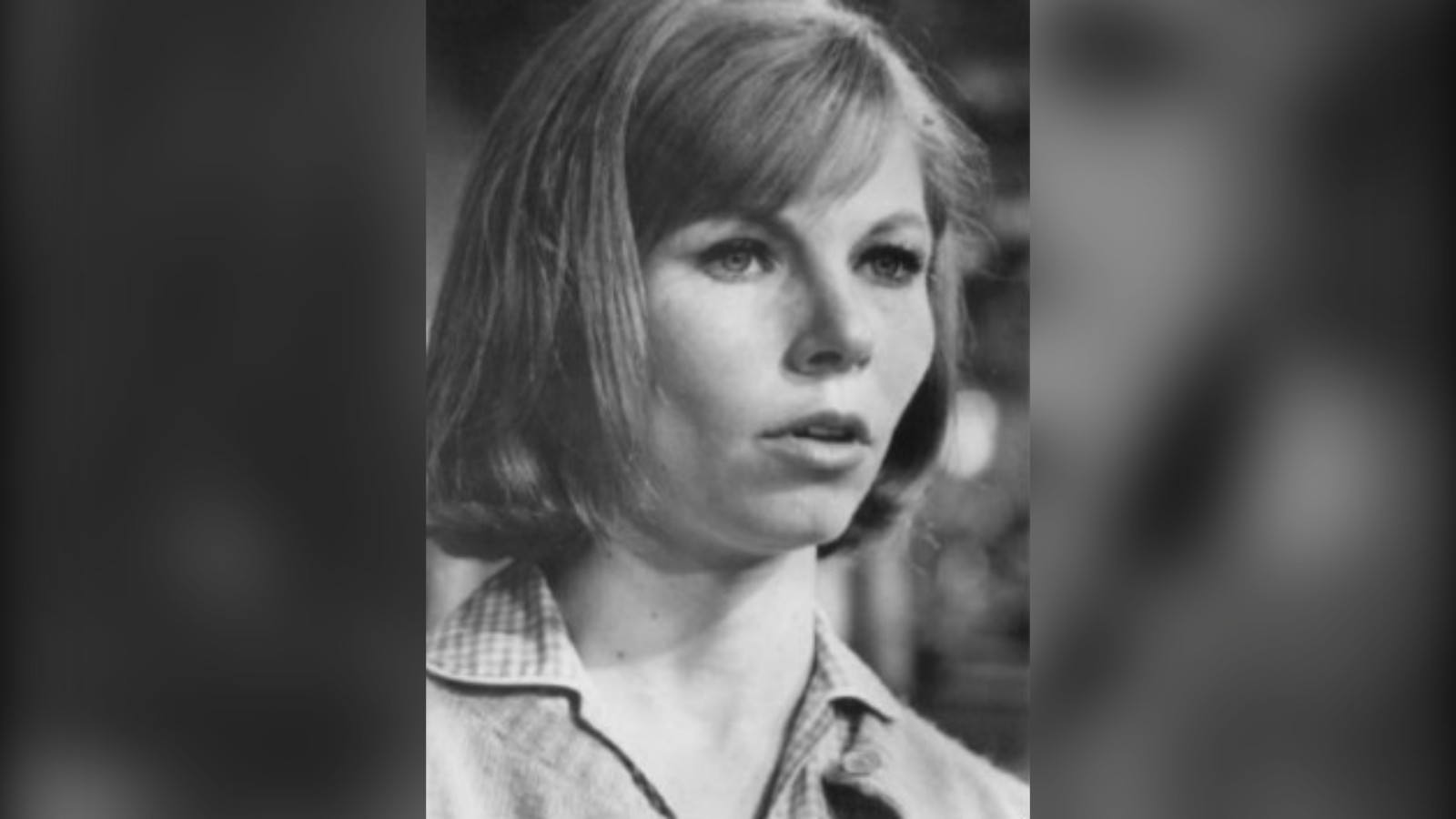
Some Hollywood stars choose to walk away from fame right when their careers are at their peak, and their stories stay fascinating for decades. One of them is an actress who became a familiar face in American homes during the golden age of 1960s television.
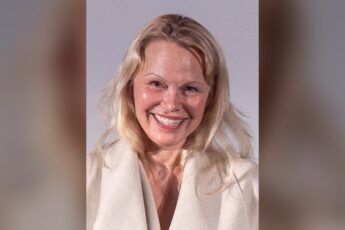
On Monday, July 20, she was spotted on a rare outing in Los Angeles. At 82 years old, Patricia Morrow looked relaxed and happy as she strolled through her hometown, many years after she left a successful entertainment career to follow a very different passion.
Morrow was born and raised in the Toluca Lake area of Los Angeles, so she grew up right next to the big film studios. She started acting professionally when she was only nine, playing Constance Philbrick in the 1950s syndicated drama I Led 3 Lives.
That early success brought her steady work throughout her childhood and teenage years. She appeared as a guest on classic shows such as Perry Mason and Leave It to Beaver, and she played Terry Wells in the 1964 musical film Surf Party.
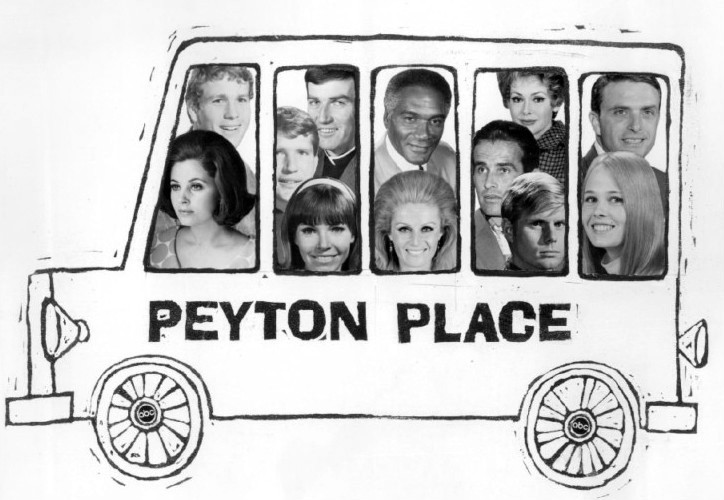
Her biggest breakthrough came when she joined ABC’s hit prime time drama Peyton Place. From 1965 to 1969 she played Rita Jacks, a character viewers loved, and she shared the screen with future stars Ryan O’Neal and Mia Farrow. The show became a huge pop culture success, and Morrow was a big part of it.
She was so closely connected to the role that she returned as Rita in the 1970s daytime revival Return to Peyton Place, and again in the 1985 television movie Peyton Place: The Next Generation.
Her work was not limited to television. She also appeared alongside Henry Fonda in Alfred Hitchcock’s tense 1956 thriller The Wrong Man. But in the 1970s her life took a completely new direction.
Inspired by her father, Los Angeles attorney Robert Morrow, she decided to step away from Hollywood. She traded scripts for legal briefs, earned a law degree and built a successful second career as a lawyer.
Seeing Patricia Morrow out in Los Angeles today is a reminder that success can look very different from one person to another, and that real happiness often comes from choosing your own path.