Who is the sharp, scene-stealing actress who took over a famous Boston bar as Rebecca Howe, then led Veronica’s Closet and traded quips with John Travolta in the Look Who’s Talking films?
Who was the Hollywood original whose presence could shift a room, whose wit cut through every scene, and whose emotional honesty made her impossible to forget?
Her name was Kirstie Alley—and on this day in December 2022, we lost a performer who embodied courage, humor, and unapologetic individuality.
For more than four decades, Alley was a force of nature. Not the polished, careful kind of force Hollywood often rewards, but a thunderbolt of instinct, vulnerability, and comedic brilliance.
Her legacy stretches far beyond the roles she played—it lives in the characters she reinvented, the stereotypes she shattered, and the millions of people she made laugh at moments when they needed it most.
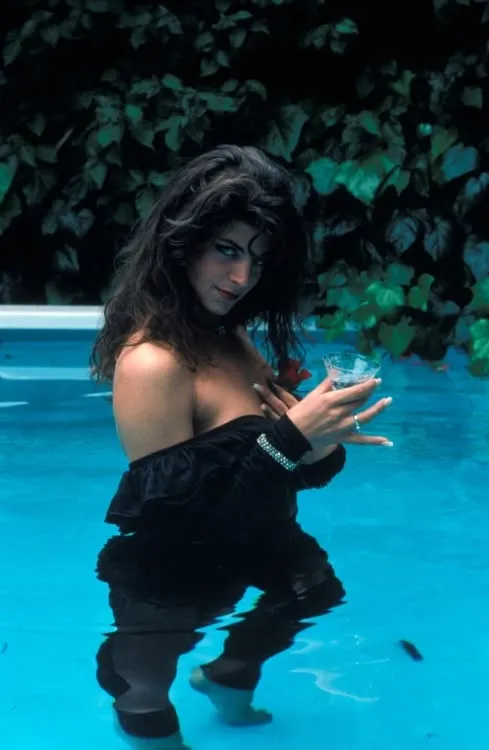
A Midwestern Beginning and an Unlikely Path to Stardom
Kirstie Louise Alley was born in Wichita, Kansas, in 1951. Long before she stepped onto soundstages or won Emmys, she grew up in the heart of the American Midwest—a region that shaped the grounded humor and sharp observational instincts that later became her comedic trademark.
She didn’t begin her career as an actor. In fact, her early path was marked by detours and uncertainty. After high school, Alley studied drama but left college early.
She worked as an interior designer, hustled for freelance jobs, and drifted in and out of acting classes without a clear destination. Her path was confusing, nonlinear—exactly the sort of story Hollywood rarely highlights, but many actors quietly live.
Her first appearance on national television came in an unexpected form: game shows. She popped up on Match Game and Password Plus, her quick wit already in place years before the world knew her name.
Then, in 1982, an opportunity arrived that would change everything.
Her Breakout: The Vulcan Who Stole the Screen
Alley won the role of Lt. Saavik in Star Trek II: The Wrath of Khan. It was her first major acting job—and she delivered a performance so composed and charismatic that she immediately caught the industry’s attention.

Her Saavik was cool, intelligent, and authoritative. Even longtime Trek fans noted how naturally she fit into a world with decades of lore behind it. Her career could easily have gone deeper into sci-fi, but Alley had a very different destiny.
She didn’t just want to act—she wanted to make people laugh.
Cheers: A Television Earthquake
In 1987, Cheers needed a new female lead after Shelley Long’s departure. Taking over from a beloved star on one of the biggest sitcoms in America should have been a disaster. Most actors would have struggled to escape comparisons.
Kirstie Alley didn’t struggle. She rewrote the assignment.

As Rebecca Howe, she wasn’t a Diane replacement—she was an entirely new comedic engine. Rebecca was ambitious, neurotic, vulnerable, and often hilariously overwhelmed by her own expectations.
Alley’s gift was her ability to play a meltdown with absolute sincerity. Every breakdown, every flustered rant, every desperate attempt at keeping control was both funny and deeply human.
Audiences connected instantly. Critics were stunned. Castmates saw magic happening in real time.
Ted Danson later said that acting with her was like “holding onto a live wire—you never knew what direction she would go, but you knew it would be good.”
In 1991, she won the Emmy Award for Outstanding Lead Actress in a Comedy Series—a testament to how completely she redefined the show.