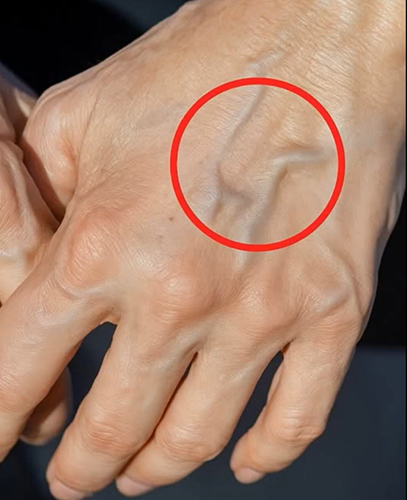
A typical physical manifestation that many people observe, particularly on their arms or legs, are bulging or visible veins. These protruding veins are typically benign and associated with transient or organic bodily changes. Sometimes, though, they might point to an underlying medical condition that has to be taken seriously. Numerous commonplace variables can make veins appear more noticeable. These include hot weather (which causes veins to widen), strenuous physical exercise (which increases blood flow and pressure), and aging (which naturally results in thinner skin and weakening vein walls, making veins easier to view).
Another factor is genetics; certain individuals are more likely to have visible veins because of inherited skin tone or vein anatomy. Furthermore, especially in the limbs, tight clothing, excess body weight, or low body fat can all make veins stand out more. Nonetheless, a more serious condition—most frequently varicose veins or chronic venous insufficiency—may be indicated if veins start to noticeably enlarge, turn discolored, or produce pain or swelling. These disorders arise when the veins’ internal valves deteriorate or weaken, enabling blood to accumulate and leading to the veins’ twisting, stretching, and enlargement. Because gravity makes it more difficult for blood to return to the heart, this is most frequently observed in the legs.
Varicose veins can develop as a result of certain risk factors, such as:
Genetic family history
Extended periods of sitting or standing
Being overweight
Smoking
Changes in hormones, particularly during menopause or pregnancy
A life that is sedentary
A medical evaluation is necessary in certain scenarios, even if the majority of cases are moderate and manageable at home.Seek medical attention if you observe:
Pain that is ongoing or getting worse
Aching or feeling heavy in the legs
Discoloration of the skin surrounding the veins
Venous ulcers that are open sores close to the ankles
Warm or hard veins that can indicate a blood clot
The severity of symptoms determines how bulging or varicose veins are treated. Typical conservative choices consist of:
Compression stockings are worn to increase circulation.
Raising the legs while at rest
Frequent low-impact physical activity, such swimming or walking
Loss of weight, if any
Steer clear of prolonged standing or sitting
In more complex situations, a medical professional might suggest actions such as:
Sclerotherapy (vein-closing injection of a solution)
Laser treatment
Vein ligation or stripping (surgical vein removal)
Endovenous ablation seals the damaged vein with heat.
Venous ulcers, skin infections, and an increased risk of deep vein thrombosis (DVT), a dangerous condition where blood clots form in deep veins and can result in life-threatening events like a pulmonary embolism, are just a few of the serious complications that advanced venous disease can cause if treatment is not received.
The chance of acquiring troublesome veins can be considerably decreased by taking preventative measures. These consist of:
Keeping a healthy weight
Taking part in regular exercise or movement
Dressing comfortably and loosely
Periodically raising your legs
Steer clear of tobacco products
Maintaining proper hydration and controlling blood pressure
In conclusion, while bulging veins are often a cosmetic concern with no serious health risks, they can sometimes signal a deeper problem. Staying aware of your body’s changes and acting early when symptoms arise is the best way to protect your long-term vascular health.