Mariel Hemingway was born on November 22, 1961, in Mill Valley, California, and from the moment she entered the world, she carried both the promise and the burden of an extraordinary family legacy. As the granddaughter of Nobel Prize–winning author Ernest Hemingway, and the daughter of Jack Hemingway, creativity and storytelling were in her blood. But with that creative lineage also came a darker side—generations marked by struggles with depression, addiction, and loss. For Mariel, growing up in this environment shaped her in profound ways, pushing her toward both stardom and self-discovery.

She first captured Hollywood’s attention as a teenager. At just 14 years old, Mariel made her acting debut in the 1976 film Lipstick, appearing alongside her older sister Margaux Hemingway. While the film received mixed reviews, critics took note of Mariel’s raw talent and striking presence on screen. Only three years later, her career took a dramatic leap forward. At the age of 16, she starred in Woody Allen’s
Manhattan (1979), playing Tracy, a mature and emotionally layered teenager caught in a complicated relationship. The role earned her an Academy Award nomination for Best Supporting Actress and launched her into the spotlight as one of Hollywood’s brightest young stars.
Unlike many young actors swept up by sudden fame, Mariel approached her career with thoughtfulness and a desire to explore complex roles. In the 1980s, she appeared in films that challenged expectations, including
Personal Best (1982), a groundbreaking story about bisexuality and female athletes, and Star 80 (1983), a chilling biographical film about the life and tragic death of Playboy model Dorothy Stratten. These choices reflected Mariel’s desire to portray real, often difficult human experiences rather than simply play glamorous, one-dimensional characters.
But fame came with challenges, and for Mariel, these were deeply personal. Her family’s struggles often loomed in the background of her success. Margaux, her sister, was a model and actress who seemed destined for greatness but tragically died of a drug overdose in 1996 at the age of 41. Her death was part of a long line of tragedies in the Hemingway family, including the suicide of their grandfather Ernest Hemingway and several other relatives. These losses haunted Mariel but also gave her a sense of purpose: she was determined not to repeat the cycle and instead to seek healing, both for herself and for others.
In interviews and her writing, Mariel has often spoken about the duality of her life: the glamour of Hollywood on one side, and the struggles of her family history on the other. She began to pivot her career beyond acting, using her voice to raise awareness about mental health, suicide prevention, and wellness. Her openness about her family’s struggles was courageous at a time when such topics were still considered taboo.

Her literary contributions reflect this journey. In books like Finding My Balance and Out Came the Sun, Mariel candidly explored her experiences growing up in a famous but troubled family, as well as her personal journey toward healing. These works go beyond memoir—they are guidebooks on how to face pain, find strength, and embrace authenticity. By sharing her vulnerabilities, she connected deeply with readers who saw themselves reflected in her struggles.
Wellness became not just a personal pursuit but also a professional calling for Mariel. She developed a holistic lifestyle philosophy that incorporated clean eating, yoga, meditation, and mindfulness. These practices helped her manage the lingering effects of her family’s history and build a more grounded, balanced life. She encouraged others to take control of their own well-being and to understand that mental and physical health are deeply interconnected.

In 2013, her mission reached a wider audience through the documentary Running from Crazy, produced by Oprah Winfrey. The film explored the history of suicide and mental illness within the Hemingway family while following Mariel’s efforts to break free from its destructive cycles. The documentary was praised for its honesty and its ability to spark important conversations about mental health. Viewers saw not just a Hollywood actress, but a woman determined to confront the past and use it as a tool for change.
Even as her acting career became less central to her public identity, Mariel continued to appear in film and television projects from time to time. However, her greatest impact has arguably been as an advocate, author, and wellness expert. She showed that fame could be transformed into a platform for education and inspiration. Her willingness to discuss topics such as depression, suicide, and addiction made her a relatable and respected figure far beyond Hollywood.
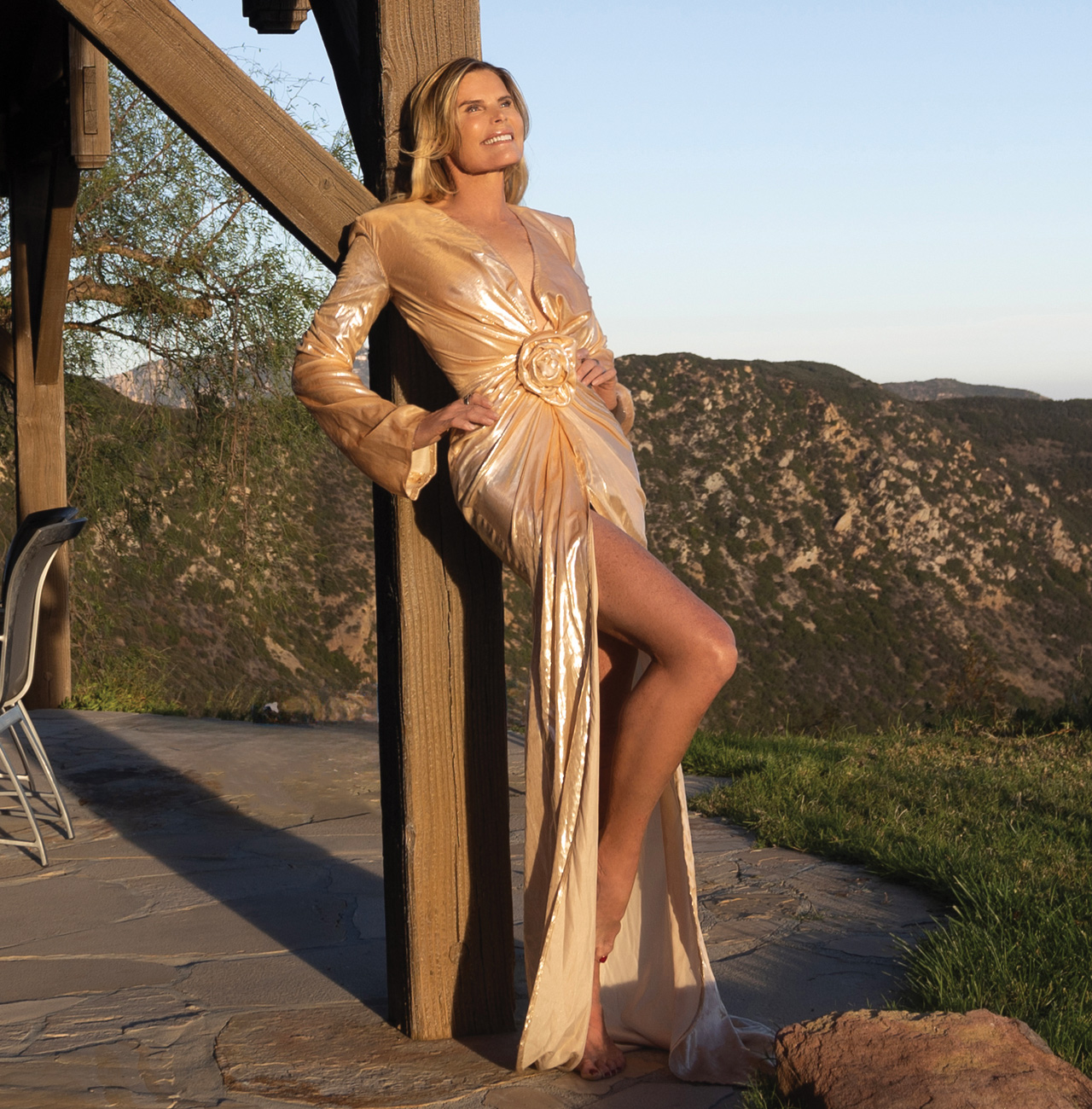
Now in her early 60s, Mariel Hemingway remains an example of resilience and grace. She has embraced aging with authenticity, rejecting the pressure many in Hollywood feel to cling to youth at all costs. Her focus remains on living well, staying present, and cultivating inner peace. Fans admire her not only for the performances that first brought her recognition, but also for the wisdom and strength she embodies today.
Her story is one of transformation. From a young starlet who dazzled audiences in Manhattan to a woman who found her true purpose in advocacy and wellness, Mariel has continuously redefined herself. The Hemingway name, once a source of both pride and pain, has become part of a larger narrative—one that she has reshaped into a story of survival, healing, and hope.

Ultimately, Mariel Hemingway proves that legacies are not set in stone. Even when one inherits a history marked by tragedy, it is possible to write a new chapter filled with resilience and meaning. Her life encourages others to embrace vulnerability, pursue balance, and recognize that strength often comes from confronting the very things we fear most. She is not only a Hollywood actress but also a role model for how to turn personal struggle into a source of empowerment.
At more than 800 words, her journey stands as both a Hollywood tale and a human one. Mariel Hemingway’s path reminds us that while fame may fade, authenticity, courage, and resilience will always leave a lasting legacy.