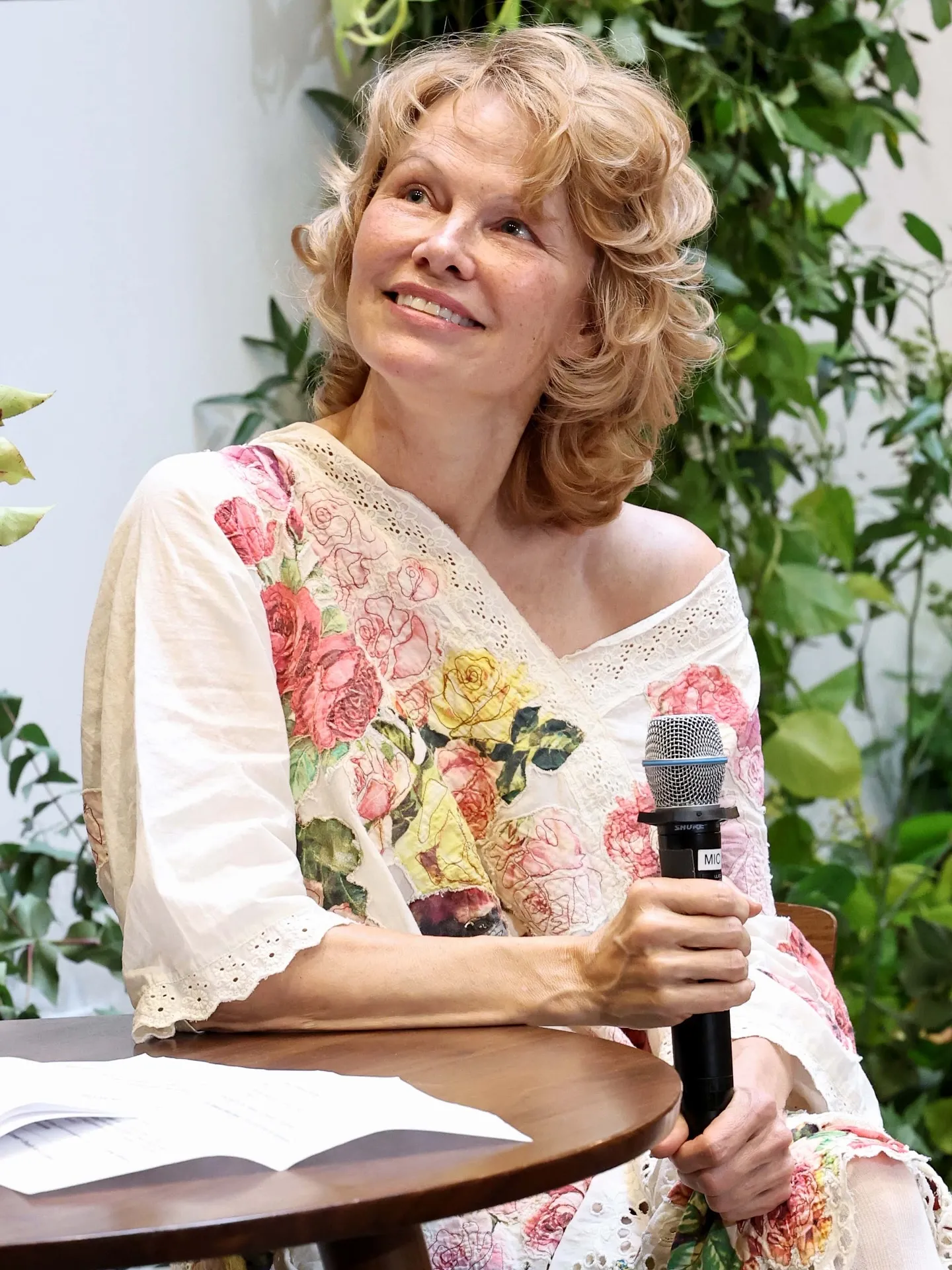
When Pamela Anderson stepped onto the streets of Paris two years ago with a completely bare face, the reaction was immediate and global. The woman who had long been associated with the quintessential blonde Hollywood image looked almost unrecognizable—and, in her own words, that was exactly the point.
Today, Anderson has become something unexpected: a makeup-free symbol of authenticity at a time when filters, beauty standards, and image pressure are louder than ever.
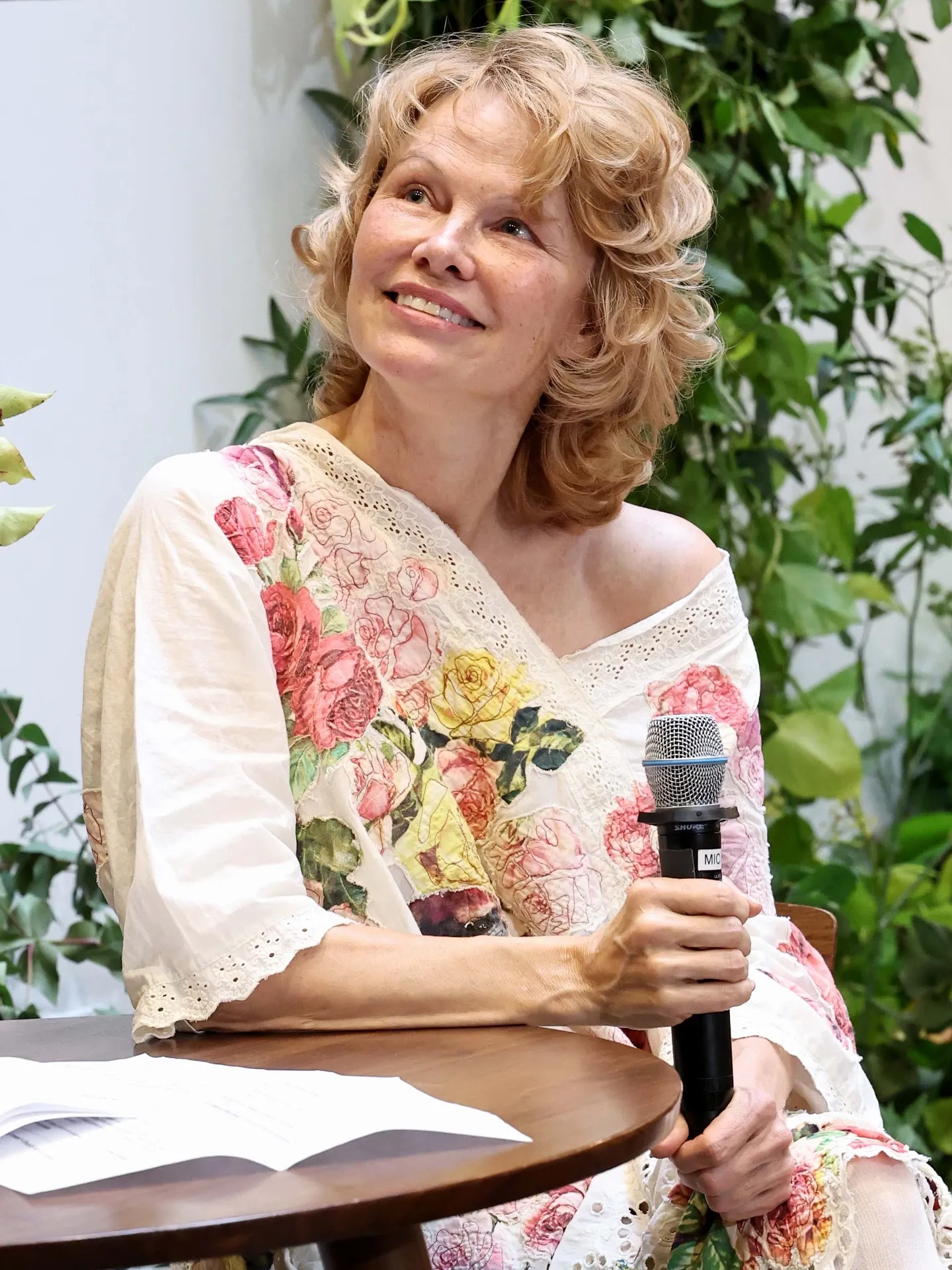
In her new cover story with
People magazine, the actress and activist opened up about why she made such a public shift, how she views beauty now, and why she hopes her transformation will help young women feel more confident in their own skin.
“I remember thinking, ‘Nobody’s even going to notice’—and people noticed,” she said with a laugh. What looked like a spontaneous decision was actually part of a deeper personal change.
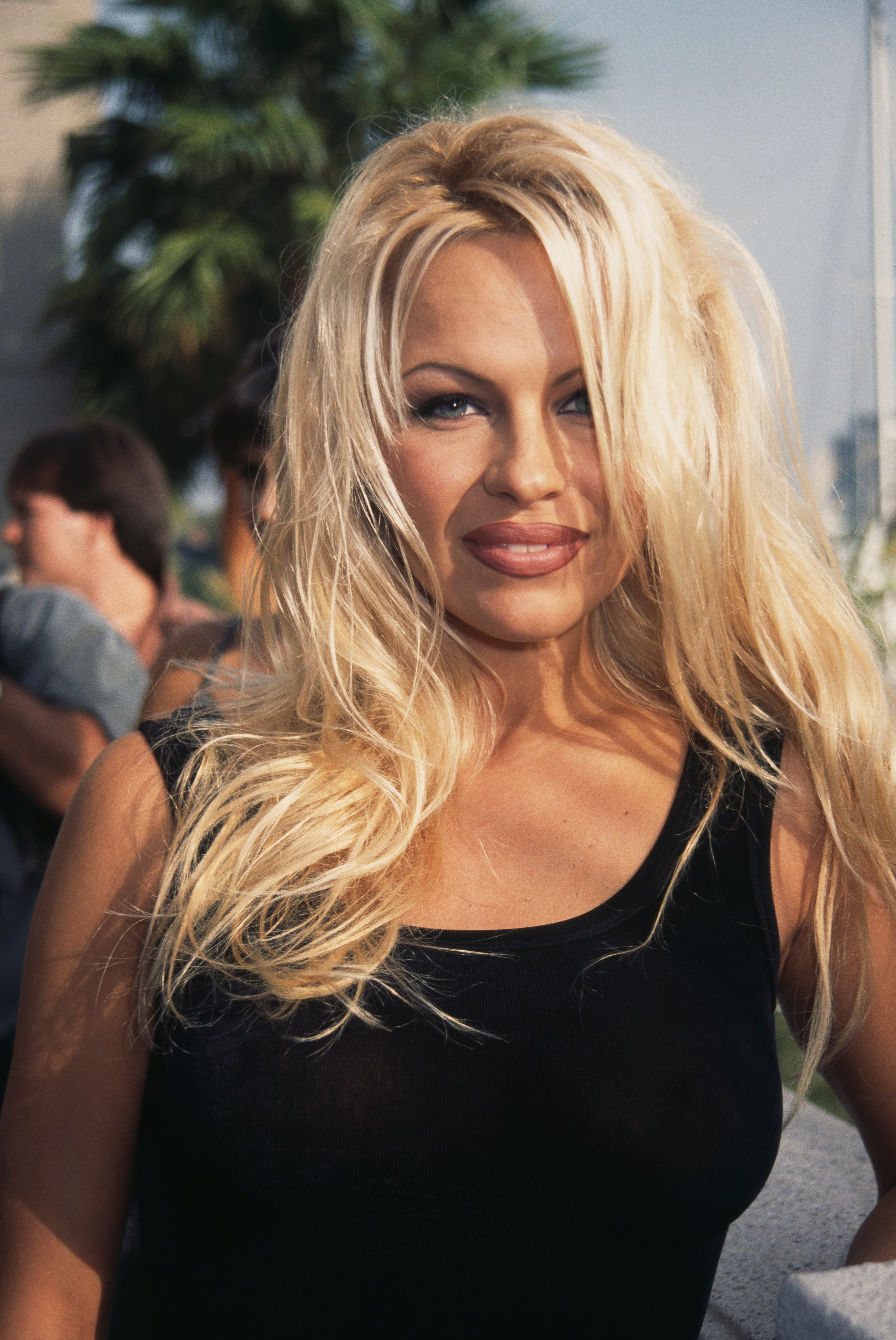
For decades, Anderson was known for her dramatic makeup—bold eyeliner, sculpted features, overlined lips—and her voluminous, golden hair. Her new look, she explained, is “part of peeling back the layers,” a symbolic return to herself rather than the persona the world expected.
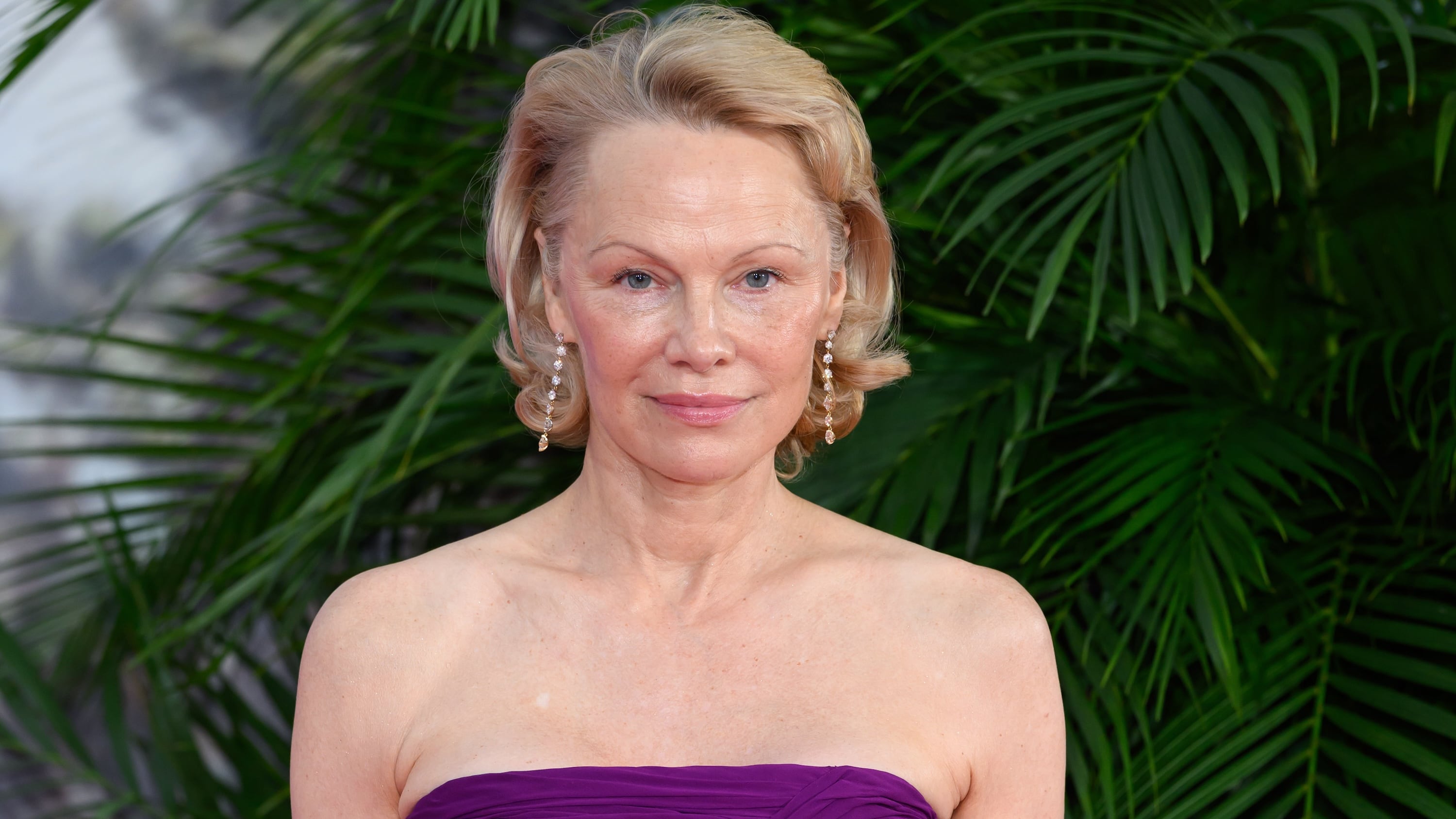
She noted that her face now looks exactly like her everyday social-media photos. “That’s where it stemmed from,” she told People, explaining that she stopped recognizing herself beneath the makeup and began to feel more comfortable in simplicity.
She credited the young women in her family—her sons’ girlfriends, her nieces—for inspiring her to reevaluate how she viewed beauty. “I just want to make sure that they feel confident in who they are,” she said. “And to not worry so much.”
It’s a message she’s now embracing in her professional life too. In 2024, Anderson and her sons acquired the skincare brand Sonsie Skin, giving her a new role in the beauty world—ironically, at the exact moment she stepped away from traditional glamour.
To her, it makes perfect sense: confidence, health, and natural beauty are, she says, the foundation of everything she wants to encourage.

To understand the impact of her transformation, it helps to look back at where she came from. In the 1990s, Pamela Anderson defined a very specific style—sun-kissed, bold, exaggerated, glamorous.
With her breakout role in Baywatch, she became one of the most recognizable television stars in the world, a figure whose hairstyle and makeup were instantly iconic. But though the look made her famous, she says she doesn’t miss it. “That girl is gone,” she admitted. “It feels like a lifetime ago.”
She described that era as “the ancient past,” a period filled with excitement but also pressure.
Early in her career, she often played characters designed to fit a simple archetype—the glamorous lifeguard, the dramatic romantic interest, the high-energy comedic lead.
But the woman behind the roles, she reminded readers, always had more depth: “There’s always been a vulnerability and a humanness. Making mistakes, embracing life, being in love, being heartbroken—all the things that make you human.”
Now, instead of revisiting her old image, Anderson continues reinventing herself. For her upcoming project Love Is Not the Answer, directed by Michael Cera, she dyed her hair a striking shade of red.
It was a dramatic change, one she admits she’s still adjusting to. “I’ll be blonde in no time,” she said with a smile. “Or maybe a different color. Who knows?”
Even more surprising, perhaps, is her role in Rosebush Pruning, a remake of the 1965 Italian classic Fists in the Pocket, where she plays a silver-haired family matriarch.
For an industry that still often pressures women to look permanently youthful, Anderson stepping into a role that embraces natural aging feels significant—and refreshing.
Anderson’s artistic renaissance has come with a wave of critical praise. She appeared in the summer blockbuster The Naked Gun, earning strong reviews for her comedic timing.
She then transitioned to the stage, performing in the Williamstown Theater Festival’s production of Tennessee Williams’s
Camino Real, a move that showcased her evolving range.
Not content to stop there, she also launched The Open Journal, her own Substack newsletter, where she shares reflections, poetry, and personal essays in her own voice.
Of course, as happens with any public figure experiencing renewed visibility, speculation followed. Her press tour alongside co-star Liam Neeson sparked rumors about their chemistry, but Anderson gently clarified the nature of their friendship in the
People feature.
Her focus now, she emphasized, is not on public fascination with her private life, but on the personal and creative freedom she has cultivated in this new chapter.
From iconic television star to Broadway performer, from beauty-industry businesswoman to unexpected champion of the makeup-free movement, Pamela Anderson’s evolution is broader and more nuanced than most reinventions in Hollywood.
At 57, she has transformed what it means to redefine oneself—not by returning to an old image, but by confidently stepping into a new one.
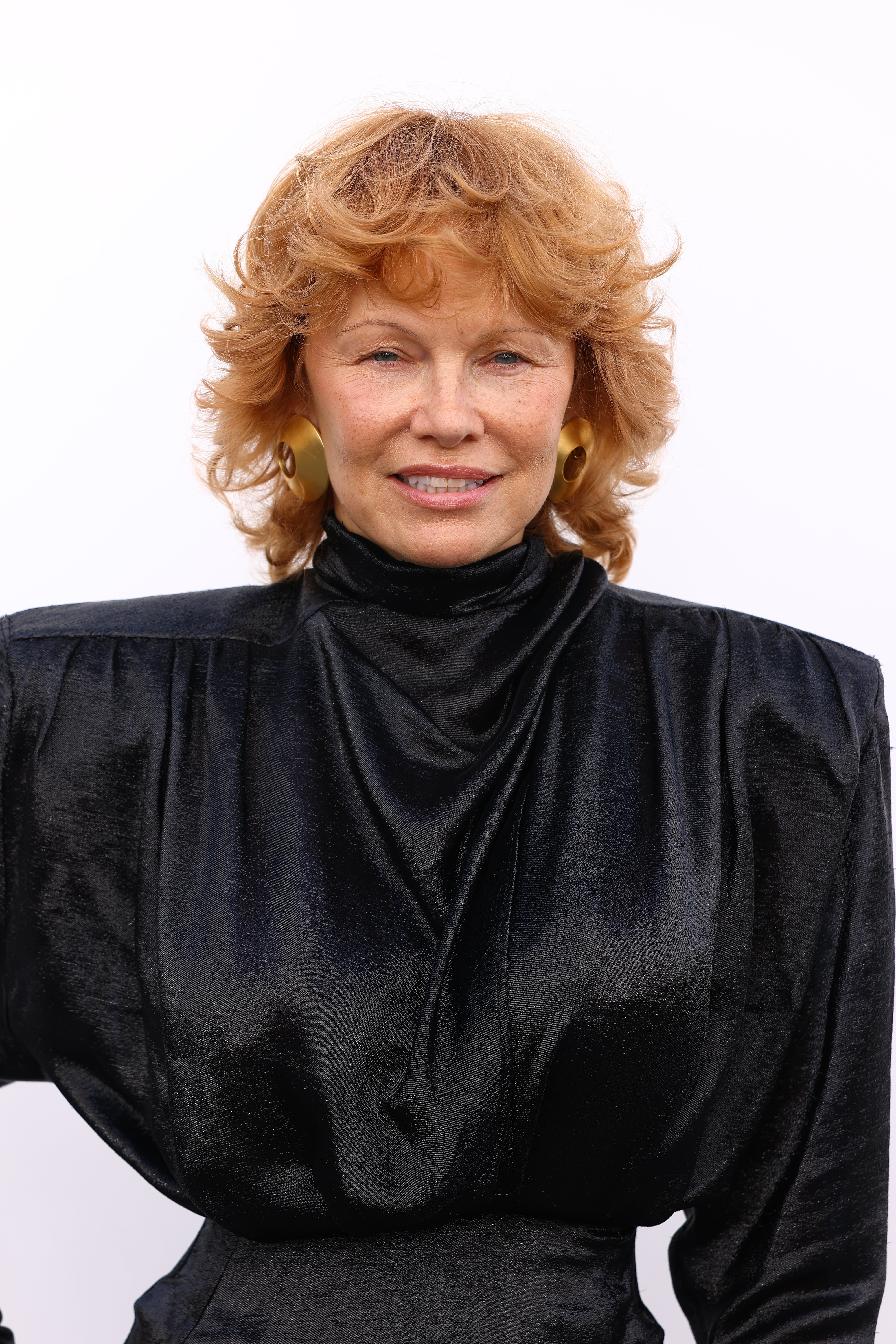
Her bare-faced arrival at Paris Fashion Week in 2023 was not just a fashion statement; it was a cultural moment. It signaled a shift in what beauty can mean, how public figures can age, and how authenticity can resonate even stronger than glamour.
And for the millions who grew up watching her onscreen, Pamela Anderson’s newest role—living boldly, openly, and without pretense—may be her most inspiring yet.