In the world of entertainment, few careers have taken a turn as dramatic, unexpected, and fascinating as that of Pamela Stephenson — the New Zealand–born comic actress who rose to fame in Britain, found her way into Hollywood blockbusters, and ultimately reinvented herself as a respected U.S.-based psychologist, author, and broadcaster.
Her remarkable journey from sketch comedy to clinical psychology reads almost like a script itself: filled with ambition, daring choices, reinvention, and the kind of personal courage few performers ever reveal publicly.
Born in Auckland in 1949, Stephenson’s early life was shaped by a strong creative impulse. Even as a child she was drawn to performance — a spark that would eventually carry her across continents.
After moving to Australia, she was accepted into the prestigious National Institute of Dramatic Art (NIDA), whose alumni include Cate Blanchett, Mel Gibson, and Judy Davis.
There she honed her stage skills, developed her sense of comic timing, and learned to shift effortlessly between drama and comedy, a versatility that would later define her professional life.
Following her graduation, Stephenson began appearing in theater productions and television programs across Australia and New Zealand.
Yet, despite a promising start, she craved a bigger challenge — and a wider audience. In the mid-1970s, she took a leap many would have considered risky: she moved to the United Kingdom, then one of the most competitive entertainment capitals in the world.
Looking back, it was a bold decision, but it would change not only her life but also the landscape of British comedy.
The Breakout: Not the Nine O’Clock News
By 1976, Stephenson was gradually carving out a name for herself within British entertainment. What truly launched her into national fame, however, was her role in the BBC’s groundbreaking sketch series
Not the Nine O’Clock News, which she joined at the end of the 1970s.
Working alongside future comedy titans Rowan Atkinson, Mel Smith, and Griff Rhys Jones
, Stephenson became part of a cultural juggernaut that reshaped modern British satire.
The series was edgy, topical, and fearless — everything British television needed at the time. And Stephenson was ideally suited to its style.
Audiences adored her sharp delivery, expressive physicality, and ability to create characters who were simultaneously hilarious and painfully honest. Whether she was parodying pop stars, lampooning fashion advertisements, or skewering politicians, she brought an unmissable energy to every sketch.
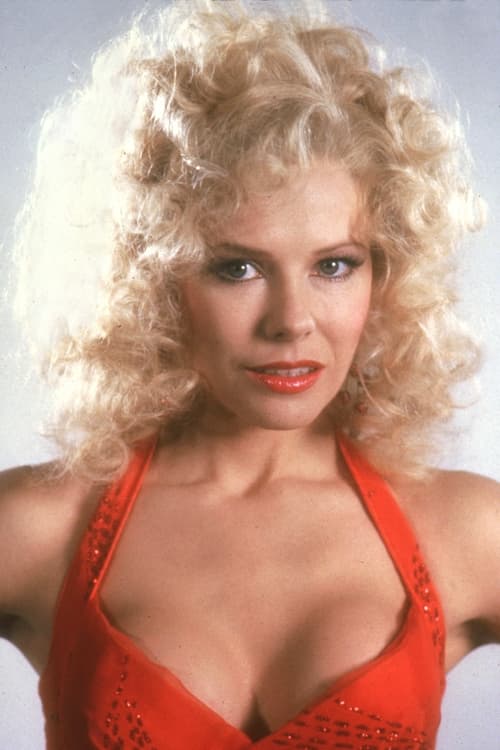
Her presence was also groundbreaking. In an era when women in British comedy were often relegated to secondary roles — if they were included at all — Stephenson proved that female comics could be just as daring, just as clever, and just as central to the comedy scene as their male counterparts.
She wasn’t simply the “female member” of the cast. She was one of its brightest stars.
From British Satire to Hollywood Blockbusters
Stephenson’s success in Not the Nine O’Clock News
made her a household name in Britain. It also caught the attention of the international film industry, and before long, Hollywood came calling.
In 1983, she appeared in the blockbuster
Superman III as Lorelei Ambrosia, a glamorous, witty, and cunning accomplice to the film’s villain, played by Robert Vaughn.

The movie introduced her to American audiences and showcased her ability to blend comedy with mainstream cinematic flair.
Although she continued performing through the 1980s, including additional film and television roles, a transformation was beginning — a shift so profound that it would take her career far beyond the entertainment world.
A Bold Reinvention: From Actress to Psychologist
While many actors spend their lives navigating the ups and downs of the industry, Stephenson made a unique and daring choice: she stepped away from mainstream acting to pursue a new passion.
In the late 1980s, she began studying psychology, eventually earning a doctorate and establishing herself in the United States as a respected clinical psychologist.

Her work focused on human behavior, trauma, sexuality, and relationships — complex subjects she approached with empathy, humor, and intellectual rigor.
Her ability to connect with people on an emotional level, honed during years of performance, translated naturally into therapeutic and academic settings.
Stephenson soon became a prominent public psychologist, appearing on television, contributing to magazines, and writing bestselling books, including:
-
Head Case
-
The V-Book
-
Sexual Healing
These works blended relatable storytelling with scientific insight, making her an accessible and trusted voice on topics many found difficult to discuss.
A Partnership in Laughter and Life
An important chapter of Stephenson’s story is her partnership with legendary Scottish comedian Billy Connolly, whom she married in 1989.
Their relationship is one built on humor, mutual respect, and shared creativity. Connolly, known for his deeply personal comedic storytelling, has credited Stephenson with providing emotional grounding throughout his long and demanding career.
Together, they exemplify a rare and enduring entertainment partnership — one that spans continents, artistic disciplines, and decades of personal evolution.
A Woman Who Never Stopped Evolving
Today, Pamela Stephenson stands as a remarkable example of reinvention and resilience. She began as a young actress from New Zealand, became a comedy icon in Britain, stepped into Hollywood, and then carved out a new identity as a psychologist, author, and broadcaster.
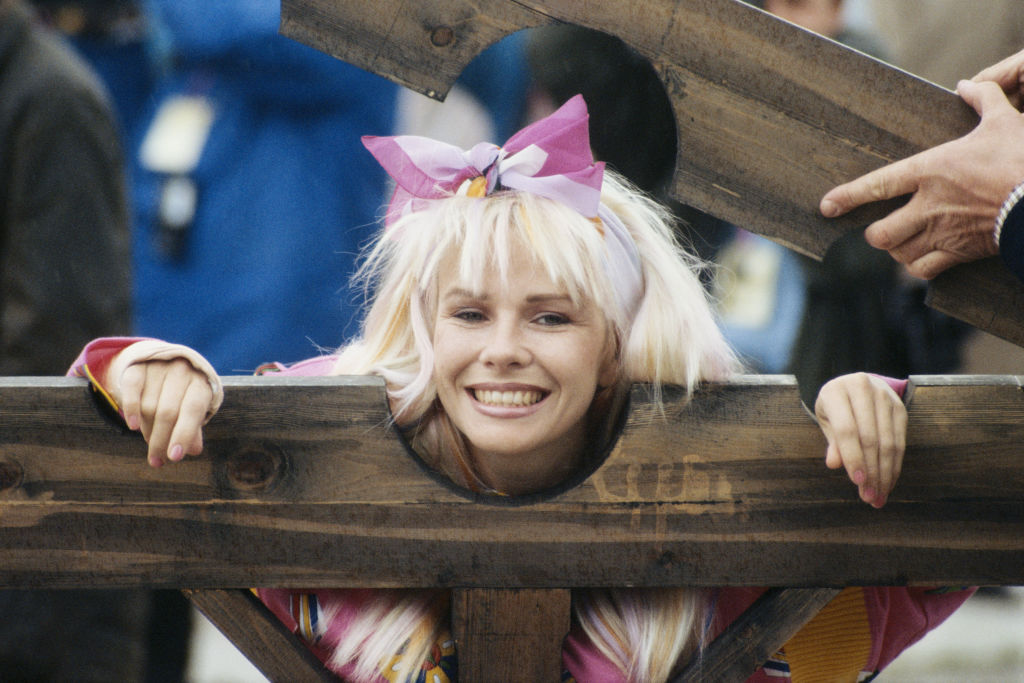
Her life defies expectation because she consistently refused to be confined by labels. Actress, comedian, scholar, writer, interviewer, partner — Stephenson embodies all of these identities and more. At every stage, she embraced curiosity, intellect, and transformation.
Whether remembered as a daring satirist, a Hollywood presence, a therapist who helped thousands, or a writer whose voice resonated deeply with readers, Pamela Stephenson remains one of the most versatile and surprising figures in modern entertainment and psychology.