What do you get when Michael Keaton’s frenzied comic energy collides with Henry Winkler’s suave restraint? Pure, unapologetic comedy gold.
Night Shift (1982) didn’t just mark Ron Howard’s feature directorial debut—it helped launch Michael Keaton’s career, amplified Henry Winkler in his post–Fonzie reinvention, and became a cult staple. Add Shelley Long in the unforgettable “magic in the kitchen” moments, and even a blink‑and‑you‑miss it early appearance from Kevin Costner—and you’ve got a movie rich with hidden depth beneath the belly laughs.
Посмотреть эту публикацию в Instagram
- 🧪 From the Morgue Comes Mayhem
- 🎥 Callback After Callback
- 👔 The One Who Helped Keaton Steal the Show
- 🌟 Bill Almost Belonged to Someone Else
- 🎭 Can’t Script That Moment
- 🍳 The “Magic in the Kitchen” Scene
- 🎶 A Song’s Origin Story
- 👀 Blink-and-You’ll-Miss Cameos
- 🚇 Minor Slips, Major Charm
- 💥 Comic Chemistry That Still Sparks
🧪 From the Morgue Comes Mayhem
Set in a New York morgue, Night Shift pairs the timid Chuck Lumley (Henry Winkler), a former stockbroker with a nervous stomach, with the energetic newcomer Bill “Blaze” Blazejowski (Michael Keaton), recently hired as the night‑shift attendant. Realizing that Belinda (Shelley Long), Chuck’s neighbor and a sex worker, needs a new business model, the duo re‑tools the mortuary into a low‑cut escort operation—running financials by day (thanks to Chuck) and high‑octane service by night (thanks to Bill). What unfolds is spontaneous romance, dangerous thrills from rival pimps, an unlikely bond with Belinda, then ultimately personal transformation for everyone involved.
🎥 Callback After Callback
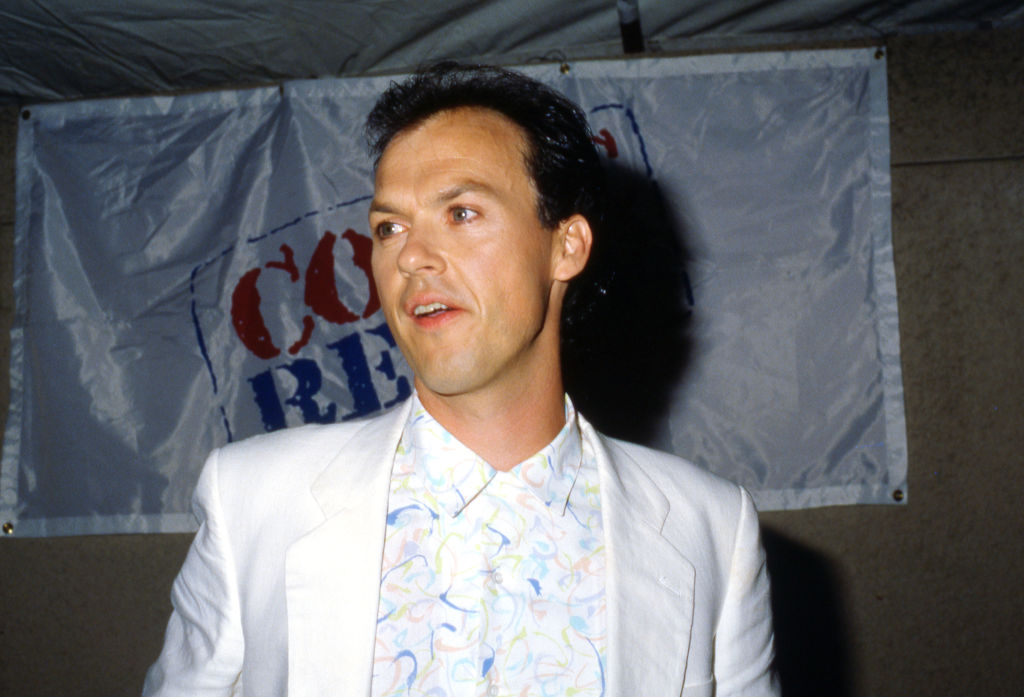
Keaton’s Bill Blazejowski was his first major screen star turn. He recalls enduring “callback after callback” until finally getting the gig, and then bringing magnetic chaos to every scene. Ron Howard said Michael’s performance consistently stole the spotlight from the more established Winkler.
👔 The One Who Helped Keaton Steal the Show
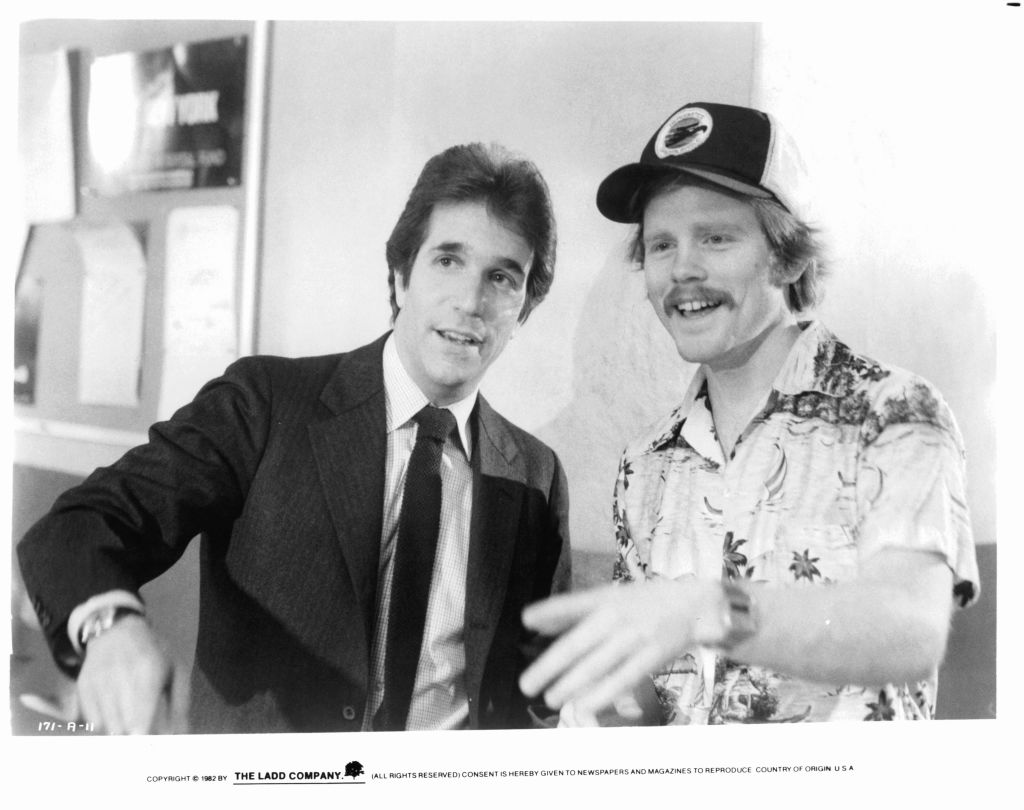
Winkler was actually offered both Chuck and Bill but chose Chuck—creating space for Keaton to shine. Howard said Henry “gave Michael choices and encouraged him to push bits further”—a quiet generosity that helped forge the film’s tonal magic.
Interestingly, Winkler later admitted he wasn’t totally sold on Keaton’s energy at first—calling him “talented but not quite comfortable.” Howard reassured him that the creative tension mirrored Chuck and Bill’s own dynamic—a neat bit of meta casting.
🌟 Bill Almost Belonged to Someone Else
The writers originally pitched the Bill role to comedy legends: Belushi, Aykroyd, Candy, Murray—even somehow got in touch with Mickey Rourke and Kurt Russell. When they all passed, co-writer Lowell Ganz said, “Keaton is going to be a star for somebody—and he might as well be a star for us.”
🎭 Can’t Script That Moment
One of the film’s most iconic bits—when a blind man asks Chuck and Bill for change and Keaton hands him a check instead—was ad-libbed. It’s pure Keaton spontaneity: part prank, part pay‑it‑forward gag.
Keaton’s own energy cues for the part? He reportedly blared Springsteen’s “10th Avenue Freeze‑Out” to get into character before filming.
🍳 The “Magic in the Kitchen” Scene
Belinda’s morning cooking scene remains one of cinema’s most charming comedic touches: Chuck asks for scrambled eggs, but as we watch Belinda pan-fry them in her lingerie, the final dish is perfectly scrambled anyway. A subtle continuity gag, yes—but who cares when Shelley Long’s disarmingly warm, witty delivery steals the moment?
Long only reluctantly took the role of Belinda, initially resisting the idea of playing a prostitute. Ron Howard eventually convinced her to fly in for an audition; she arrived “dressed the part,” read opposite Winkler, and instantly secured the role. “Even on tape, their chemistry was already cooking,” Howard said.
Critics lauded her portrayal as “the happiest, most wholesome hooker you’ll ever see on screen,” even joking that she could lead a Girl Scout troop.
Off‑camera, Long admitted certain scenes (like cooking in her underwear) were challenging—but her husband “didn’t mind… that’s a part of my anatomy he likes,” she laughed.
🎶 A Song’s Origin Story
The closing credits featured Rod Stewart’s version of “That’s What Friends Are For,” written by Burt Bacharach and Carole Bayer Sager—and first recorded for this film’s soundtrack. A few years later, the song became a chart-topping sensation (and AIDS charity single) via the supergroup Dionne Warwick, Elton John, Gladys Knight & Stevie Wonder. Over $3 million was raised, and the film’s version is the original vocal release.
Other notable songs on the soundtrack? The upbeat theme by Quarterflash, plus Van Halen’s “You Really Got Me” and a live “Jumpin’ Jack Flash” by The Rolling Stones.

👀 Blink-and-You’ll-Miss Cameos
-
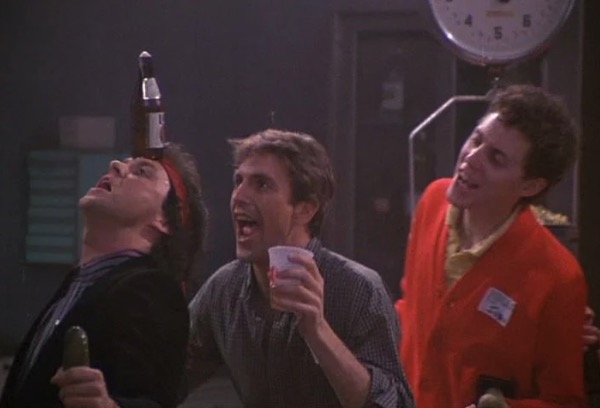
Kevin Costner shows up as a rambunctious frat boy at a morgue party—no lines, just red cup and a bottle balanced on his head. It’s one of his earliest movie appearances.
-
Shannen Doherty plays a “Bluebird” cookie-seller in an elevator, though Chuck calls her a “Bluebell.” That mislabel remains a small but enduring goof.
-
Clint Howard, Ron’s brother, appears as an eccentric hospital guest; Ron Howard himself appears twice—once momentarily kissing his wife outside Chuck’s apartment, and once as the saxophonist in the subway scene.
🚇 Minor Slips, Major Charm
There is a cheeky continuity hiccup: in a subway scene, Bill hops off saying “This is my stop,” but the train we see is the Times Square–Grand Central shuttle, which doesn’t stop at any intermediate station. It’s the kind of tiny error you’ll spot only on a fourth re‑watch.
💥 Comic Chemistry That Still Sparks
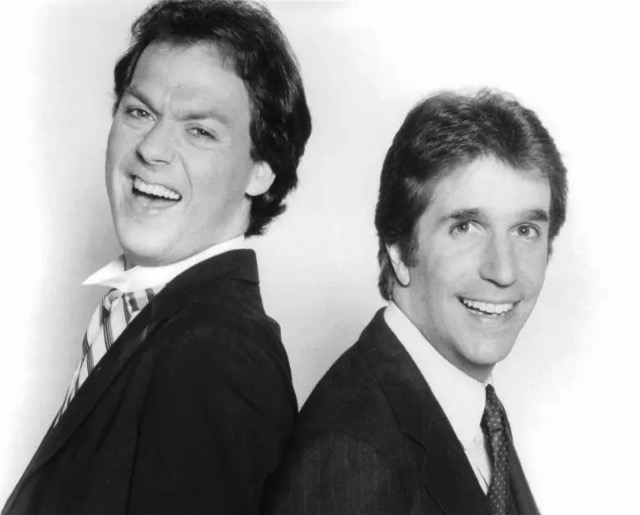
The real magic of Night Shift isn’t just the bizarre premise or the risqué setting—it’s the electricity between its leads. Keaton’s manic ambition plays the perfect foil to Winkler’s grounded practicality, while Shelley Long provides the beating heart of the trio. Together, they elevate what could have been a kooky farce into a surprisingly touching study of unlikely friendships, self‑respect, and the value of creating something genuine—even if it seems absurd.
In short: when Michael Keaton uncorks that crackling, unpredictable energy and Henry Winkler steadies the ship with charm, you get funny, poignant, mischievous cinema at its very best. And when you look closely—past the pranks and the punchlines—you might find surprising beauty in the chaos.