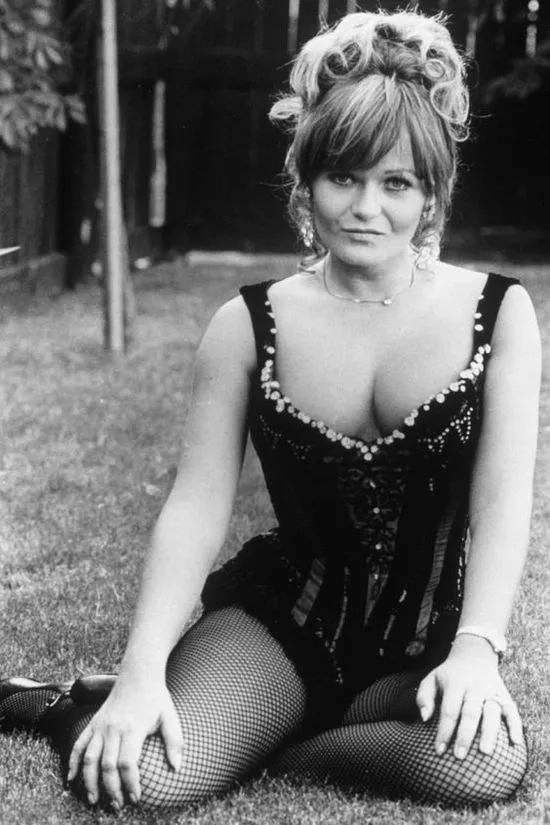
The curtain did not rise gently for Valerie Perrine. From the earliest moments of her life, the world around her felt like the opening scene of a film—shifting light, dramatic contrasts, and a sense that destiny wanted something extraordinary from her. Born Valerie Ritchie Perrine on September 3, 1943, in Galveston, Texas, she entered a nation reshaping itself after war, where culture, art, and film were all pushing toward something bolder.
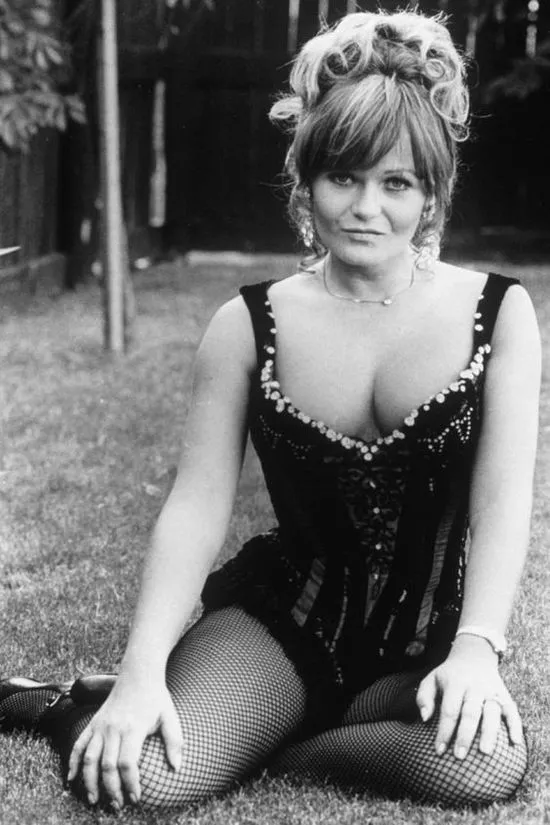
In that restless atmosphere, she seemed perfectly placed, as though the changing world had been waiting for someone with her spirit.Her childhood followed the unpredictable rhythm of her father’s military career. Constant relocations meant she was always the new girl, always adjusting, always observing. What she lost in stability, she gained in something far more valuable: the instinct to adapt.
She learned to move through unfamiliar places with confidence, reading people quickly, and blending toughness with vulnerability. Those early lessons would become the backbone of her future—tools she would rely on in an industry that demanded both resilience and emotional openness. By her early twenties, Perrine had landed in Las Vegas, a city glittering with opportunity and danger.

There she joined the ranks of showgirls at the Dunes Hotel, immersing herself in a world where elegance and exhaustion intertwined. Being a showgirl required precision, stamina, and the ability to transform oneself night after night beneath blinding lights. Perrine embraced the challenge. The stage became her arena, the audience her fuel. Vegas sharpened her instincts for performance, teaching her how to command attention without uttering a single word.
It also toughened her resolve; she learned how to survive in a fiercely competitive environment where beauty was abundant but true presence was rare. Hollywood eventually took notice of that presence. Her first major break came in 1972 with
Slaughterhouse-Five, directed by George Roy Hill. Cast as Montana Wildhack, she portrayed a character who could have easily been reduced to a visual ornament. Instead, she infused Montana with charm, intelligence, and sincerity.

Reviewers quickly saw that Perrine brought more than glamour—she brought emotional depth. It was clear that she was not simply arriving in Hollywood; she was claiming her space. But the defining moment of her career arrived two years later with Bob Fosse’s raw, uncompromising film Lenny. Perrine played Honey Bruce, the complicated wife of controversial comedian Lenny Bruce. It was a performance that demanded everything: vulnerability, anger, sensuality, hurt, and tremendous emotional bravery.
Perrine opened herself completely to the role, revealing the full spectrum of Honey’s tumultuous life. Audiences and critics were captivated. Her portrayal earned her an Academy Award nomination for Best Actress, and the Cannes Film Festival honored her with the Best Actress award—an achievement that placed her among the most respected performers of the era.

Despite this rise, Perrine never conformed to Hollywood’s manufactured image of what a leading woman should be. She embraced honesty and humor, even when it meant breaking the illusion of polished perfection. She leaned into characters with sharp edges and complex shadows, refusing to let herself be typecast. That authenticity became her trademark and one of the qualities fans loved most about her.
In 1978, she introduced herself to a new generation through an entirely different role: Eve Teschmacher in Superman: The Movie. As Lex Luthor’s stylish and morally conflicted partner-in-crime, Perrine brought humor, warmth, and unexpected heart to the character. She created a performance that balanced flirtation with humanity, making Eve memorable in a film dominated by larger-than-life heroes and villains.

She returned for Superman II, and over time, her portrayal became iconic, still cherished by fans of the franchise.The 1980s and 1990s saw Perrine continuing to work across genres—dramas, comedies, independent films, and television. Whether playing leads or supporting roles, she maintained the same magnetic presence that defined her early successes. She appeared in talk shows and interviews with a natural ease, her quick wit and fearless candor often stealing the spotlight.
Colleagues admired her talent, while audiences connected with her unfiltered charm.Away from the cameras, Perrine lived with the same boldness she brought to her roles. She refused to compromise her individuality, resisted Hollywood’s pressures to conform, and maintained a reputation for being genuine, funny, and unapologetically herself. Her sense of humor, even in difficult moments, remained one of her most beloved traits.

In later years, life presented her with a profound challenge when she was diagnosed with Parkinson’s disease. True to her nature, she met it with courage, determination, and grace. The 2019 documentary
Valerie showcased her battle with vulnerability and dignity, reminding the world that her spirit remained unbroken. It served as a testament to her strength and her enduring commitment to authenticity.

Today, Valerie Perrine is remembered not only for the roles that made her famous but for the fierce individuality that defined her entire journey. She was the showgirl who rose above the chorus line, the actress who dared to expose her soul on screen, and the woman who faced life’s hardest battles with resilience and humor. Her legacy continues to shine—natural, untamed, and unmistakably hers.