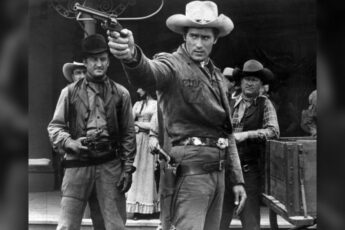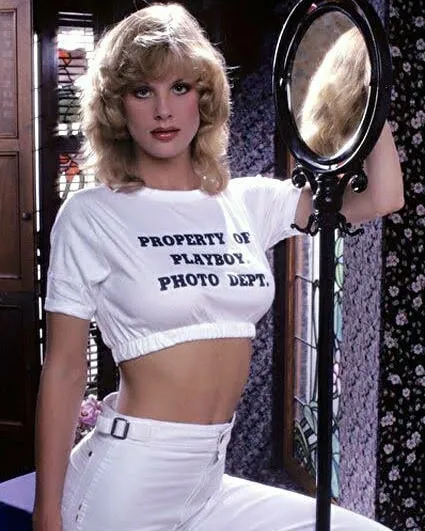
Dorothy Ruth Hoogstratten, later known to the world as Dorothy Stratten, was born on February 28, 1960, in Vancouver, British Columbia. She grew up in the quiet suburb of Coquitlam, the eldest daughter of Dutch immigrants who had come to Canada in search of opportunity. Her family struggled financially throughout her childhood. Money was scarce, and Dorothy often felt the weight of responsibility as the oldest sibling. She shared her childhood with an older brother, John Arthur, and a younger sister, Louise. Despite the challenges, those early years shaped her character—determined, hardworking, and gentle in ways that people would remember long after she was gone.
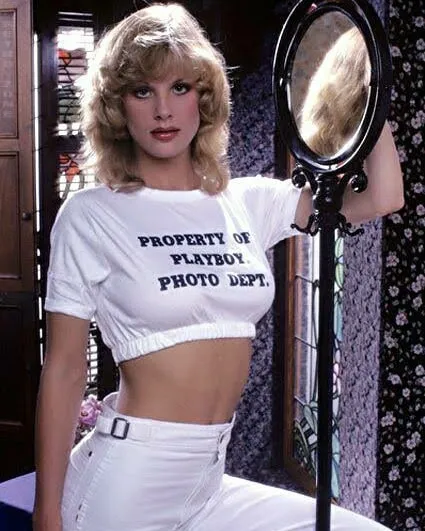
Dorothy was known in school as a bright, polite, and soft-spoken girl, someone who blended easily into the background but left an impression on those who took the time to know her. She wasn’t the loudest, the most outgoing, or the most confident, but she carried a natural grace that set her apart. Teachers admired her dedication; classmates noted her kindness. Although her family could not provide luxuries, Dorothy pushed herself academically, hoping education might open doors to a better life. She graduated with honors, harboring quiet dreams of moving to a bigger city where she could create a future beyond the financial struggles she had always known.
To help support herself, Dorothy found work at a local Dairy Queen, a seemingly ordinary part-time job that would unexpectedly alter the course of her life. It was there, at age 17, that she met
Paul Snider, a 26-year-old nightclub promoter whose reputation was far from clean. Snider was known for his flashy lifestyle, expensive clothes, and a talent for spotting vulnerable young women he believed he could mold—or control. When he saw Dorothy, shy and stunningly beautiful, he immediately became fixated. To him, she represented both opportunity and a chance to elevate his own status.

Snider approached Dorothy with the promise of turning her into a model. At first, she resisted; modeling was not part of her world, and she feared her parents’ disapproval. But Snider was persuasive, often overwhelming, and eventually convinced her to take professional photographs. Without her mother’s permission, he forged the documents needed to submit Dorothy’s pictures to
Playboy. The decision would thrust her into a world she never imagined.
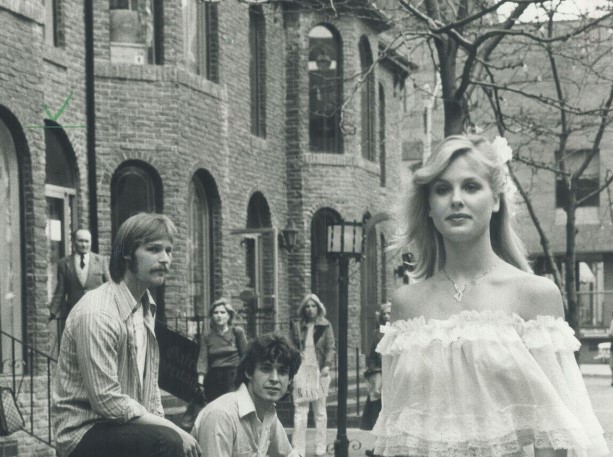
In 1978, Dorothy’s life began to transform rapidly. She was invited to Los Angeles for test shoots and soon became one of Playboy’s rising talents. Within months, she was making a name for herself—her innocence, natural beauty, and soft demeanor stood out even in an industry filled with striking faces. In August 1979, she became
“Playmate of the Month,” and in 1980, she achieved the title of “Playmate of the Year,” an honor that brought fame, money, and new opportunities.

Life in Los Angeles opened doors far beyond modeling. Playboy founder
Hugh Hefner recognized Dorothy’s potential for acting and encouraged her to explore the entertainment industry. Soon she was appearing in television programs such as Buck Rogers in the 25th Century and films including Skatetown, U.S.A. Her acting career, though still developing, showed promise—casting directors described her as charming, professional, and eager to improve. Her transition from small-town girl to Hollywood newcomer was unfolding quickly, and many believed she would become a major star.
Yet while her professional life soared, her personal life deteriorated. Dorothy married Paul Snider in 1979, partly out of loyalty and partly because she believed she owed him for “discovering” her. But marriage did not smooth the rocky foundation of their relationship. As Dorothy’s fame increased, Snider grew unstable—jealous, controlling, and resentful of her success. He tried to keep a hold on her career, her earnings, and her time, even as people around Dorothy warned her that Snider was dangerous.

Everything changed when Dorothy met Peter Bogdanovich, a respected film director, on the set of They All Laughed. Bogdanovich treated her with kindness—the genuine kind that Dorothy had rarely experienced in her marriage. He encouraged her growth, valued her personality as much as her beauty, and showed her a vision of life that didn’t revolve around fear or manipulation. Dorothy began to see what she had been missing.
By June 1980, she made the difficult decision to leave Snider and file for divorce. It was a bold step, an attempt to reclaim her life and independence. However, Snider refused to let go. Friends noticed his behavior becoming erratic; he felt his control slipping, and with it, the foundation of his identity.

On August 14, 1980, Dorothy agreed to meet Snider at the home they once shared, hoping to settle financial matters and finalize their separation peacefully. Despite concerns voiced by her friends, she went alone. What happened next shook Hollywood and the entire Playboy community. Snider, unable to accept the end of the relationship, took her life before ending his own. The tragedy stunned everyone who knew her.
Dorothy Stratten was only 20 years old.
Hugh Hefner later described Snider as a man spiraling out of control, someone who could not accept that the young woman he once dominated had grown beyond him. Peter Bogdanovich was devastated, insisting that Dorothy had the talent, intelligence, and kindness to become much more than a model—she had the potential to become a true Hollywood star.

Dorothy’s story remains one of the most heartbreaking tragedies in Hollywood. She was a young woman full of promise, shaped by humble beginnings and lifted by her own determination. Though her life was cut short, her legacy endures—both as a reminder of her talent and as a cautionary tale about the dangers of control, obsession, and lost potential.