Claudia Cardinale, born in Tunis in 1938, stands among the most luminous figures of world cinema — a woman whose presence, talent, and spirit helped shape the golden age of Italian film. Her career, which has stretched gracefully across more than sixty years, reflects not only her extraordinary gifts as an actress but also her ability to adapt, evolve, and captivate generation after generation.
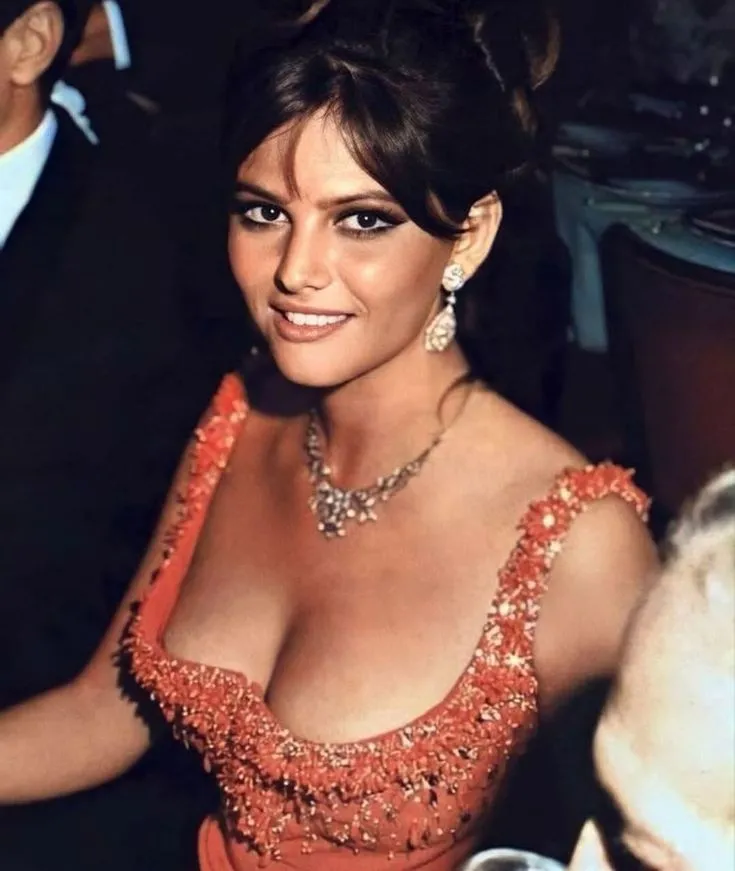
Long before she became an international star, long before she appeared on posters and magazine covers across Europe and America, Claudia was simply a young girl growing up in a multicultural neighborhood in Tunis. She spoke French, Arabic, and her parents’ Sicilian dialect — a blend that later gave her an unmistakable voice and presence. She never dreamed of acting. But destiny had other plans.
Cardinale’s introduction to cinema was as unexpected as it was life-changing. In her teens, she entered — and won — a beauty contest in Tunisia, almost as a joke. The prize included a trip to the Venice Film Festival, where Italian producers immediately noticed her rare combination of shyness and radiance. Despite initially resisting the idea of becoming an actress, she eventually accepted a contract with Italian producers who saw in her something extraordinary. She had no formal acting background, yet the camera adored her. There was something magnetic about the way she carried herself: confident yet soft, mysterious without trying to be.
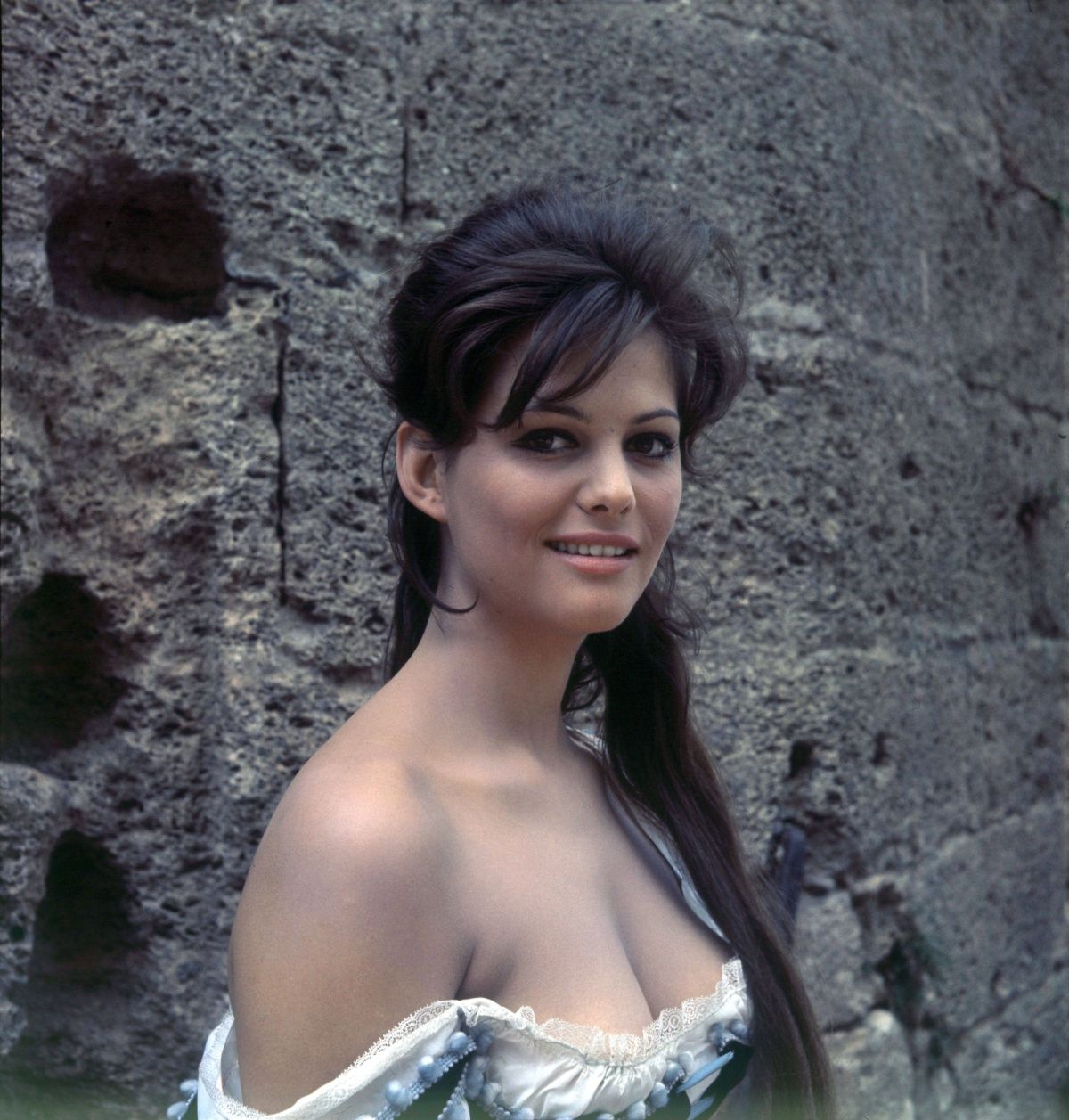
By the late 1950s, Claudia had already become one of the most promising young talents in Italy. But it was the early 1960s that transformed her from a rising actress into a true international sensation. Her role in Luchino Visconti’s
Rocco and His Brothers (1960) revealed something deep and raw inside her — a natural ability to express complex emotions with subtlety and power. Critics praised her intensity, while audiences were drawn to her warmth and authenticity. Italy had found its new star.
As her fame grew, Cardinale stepped confidently into the world of high-profile European cinema. Few actresses have enjoyed such a remarkable list of collaborators. Federico Fellini — perhaps the most visionary director of the 20th century — cast her in
8½ (1963), one of the most celebrated films ever made. In it, she became the embodiment of feminine grace, the muse and idealized woman who exists in the imagination of a troubled filmmaker. Her beauty was striking, but it was her stillness, her subtle expressions, and her emotional intelligence that made the role unforgettable.

She also starred in Visconti’s The Leopard (1963), a sweeping historical epic featuring Burt Lancaster and Alain Delon. The film is considered a masterpiece, and Claudia’s performance remains one of her most graceful and layered portrayals. Working with Fellini, Visconti, Blake Edwards, Sergio Leone, Richard Brooks, and other iconic directors, she moved effortlessly between genres: drama, historical epics, comedies, westerns, and psychological films. Her career was a reflection of her versatility — she could be aristocratic, rebellious, vulnerable, or fierce, depending on the story. And she always felt real.
While Claudia Cardinale’s beauty turned heads, it was her inner strength and intelligence that made her unforgettable. She often chose roles that pushed boundaries and portrayed women with depth and agency, at a time when Hollywood frequently limited actresses to one-dimensional characters. She refused unnecessary nude scenes. She negotiated better roles in her contracts. She made bold decisions that protected her dignity in an industry that often preyed on young women. This strength shaped how audiences saw her — not just as an icon of beauty, but as a symbol of resilience, independence, and authenticity.
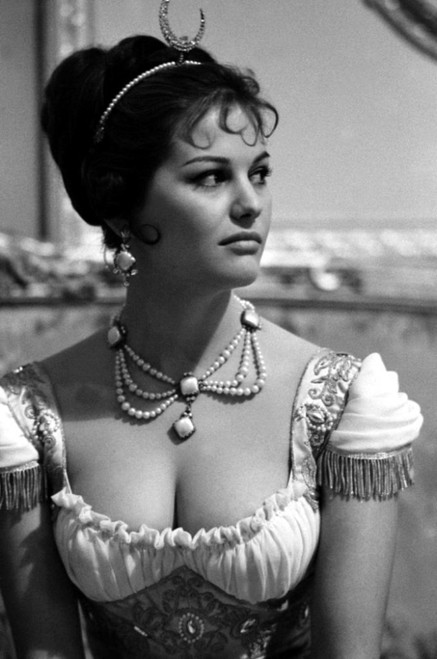
Beyond the film studios, Cardinale has been a passionate and outspoken advocate for women’s rights, human dignity, and environmental causes. She became a UNESCO Goodwill Ambassador, dedicating herself to fighting inequality and supporting educational opportunities for young women. Her commitment to activism has been lifelong and sincere. She has spoken openly about domestic abuse, the challenges faced by women in the film industry, and the need to preserve natural environments. Unlike many celebrities, she used her fame not to elevate herself but to elevate issues that mattered deeply to her.
Claudia Cardinale’s influence on cinema is immense. Her films are still studied in universities, screened at festivals, and cherished by fans across generations. With each passing decade, the appreciation for her work has only grown stronger. She represents a period of cinema when storytelling was bold, emotional, and artistic — a time when films were crafted with heart and ambition. As one of the last surviving icons of that era, she serves as a living connection to the golden age of European film, reminding us of a world where elegance, artistry, and emotional depth defined the movie experience.

From a young woman who never planned to act to one of the most admired actresses in the world, Claudia Cardinale’s journey is extraordinary. Her story is one of unexpected opportunities, remarkable talent, and a deep humanity that touched millions. More than an actress, she became an icon — a symbol of beauty, talent, independence, and compassion. And even today, her legacy continues to inspire.
Her career and life story offer lessons that transcend cinema: that talent paired with integrity, courage in the face of challenges, and dedication to meaningful causes can leave an impact far greater than fame alone. Claudia Cardinale is a shining example of a star whose brilliance is timeless, proving that true artistry and character endure long after the spotlight dims.

Even now, decades after her first major roles, audiences and critics alike celebrate her for her performances, her elegance, and the influence she has wielded both on-screen and off. She remains a reminder of an era when cinema could be grand, sophisticated, and human all at once. Claudia Cardinale’s life is a testament to the enduring power of talent, passion, and purpose — a legacy that will continue to inspire generations to come.