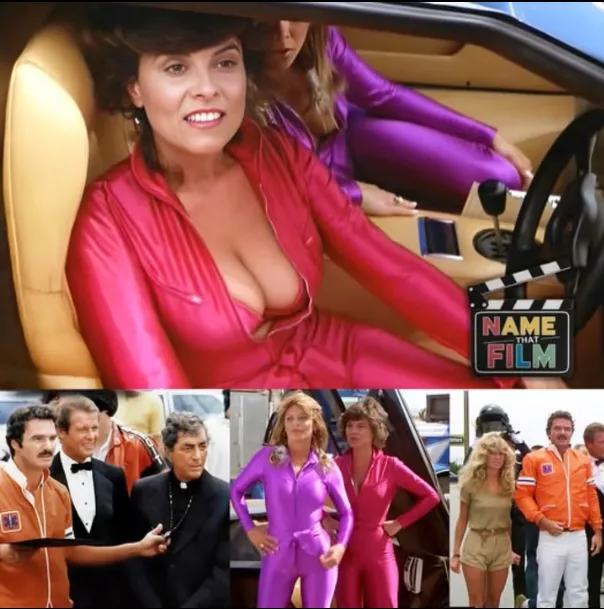
For moviegoers of the early 1980s, one image of Adrienne Barbeau is impossible to forget: glamorous and grinning behind the wheel of a sleek black Lamborghini in the cult hit
The Cannonball Run (1981). Alongside Tara Buckman, she played one half of a daring duo racing across the country in a wild comedy that featured some of Hollywood’s biggest names of the era. With her raven hair, sharp wit, and commanding presence, Barbeau left audiences spellbound—and wondering what heights her career would soar to next.
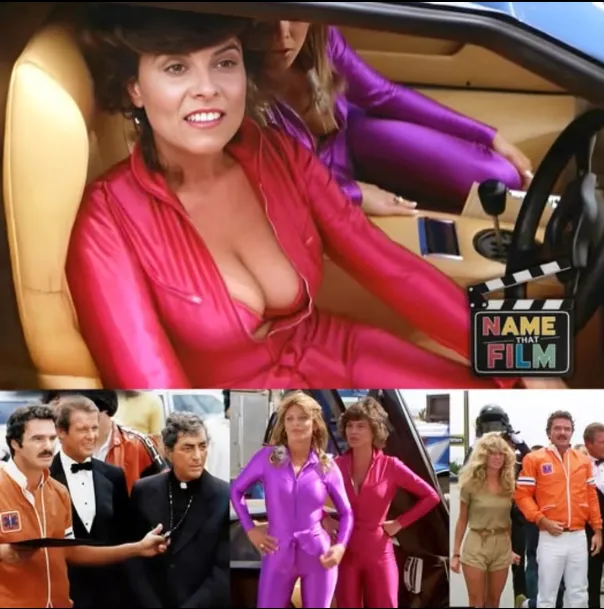
And then, almost as quickly as she seemed to arrive, Adrienne Barbeau appeared to step away from the fast lane of Hollywood. But the truth is far more fascinating: she never really disappeared. Instead, she reinvented herself—on her own terms—into one of entertainment’s most versatile and enduring figures.
Born in Sacramento, California, in 1945, Adrienne Jo Barbeau grew up far from the glitz of Hollywood. Her first taste of the stage came when she moved to New York in the 1960s and began performing in musicals. Her big break arrived when she originated the role of Rizzo in Broadway’s
Grease. Her tough, magnetic performance not only showcased her acting chops but also her singing talent, setting the stage for a career that would bridge theater, television, film, and eventually even literature.

Her television breakthrough came in the 1970s on the groundbreaking sitcom Maude, starring Bea Arthur. Barbeau played Carol, Maude’s divorced daughter, bringing a mix of humor and sensitivity to a show that tackled controversial social issues head-on. The role turned her into a household name, yet it also typecast her in the eyes of many producers as the attractive daughter or the sharp-tongued sidekick. Adrienne, however, was determined to carve out her own identity in Hollywood.
By the late 1970s and early 1980s, she shifted her focus to film—and it was here that she truly became a cult icon. John Carpenter, then her husband, cast her in
The Fog (1980), where she played radio DJ Stevie Wayne, a lone voice trying to warn a coastal town of supernatural danger. Her performance was both grounded and eerie, instantly memorable. Carpenter would later direct her again in
Escape from New York (1981), where she appeared alongside Kurt Russell as the gritty and calculating “Maggie.” These roles established her as a fixture of horror and action cinema.

At the same time, she took on the role in
Swamp Thing (1982), further cementing her reputation as a genre queen. Fans adored her for her mix of toughness and vulnerability—her characters were never just “damsels in distress.” They were resourceful, fiery, and fully realized women who could command the screen as much as any leading man.
Of course, mainstream audiences remember her Lamborghini ride in The Cannonball Run, where she leaned into comedy with the same ease that she brought to horror. While the role was lighthearted compared to her darker films, it proved her versatility and added another layer to her cult status.

Yet as the mid-1980s rolled around, Hollywood’s tastes began to shift. For actresses, especially those known for their sex appeal, opportunities often dwindled with age. Rather than fade quietly into obscurity, Barbeau took a different path. She diversified.
In the 1990s, Adrienne became a prolific voice actress, most notably giving life to Catwoman in Batman: The Animated Series. Her sultry, commanding vocal performance remains one of the most beloved interpretations of the character, proving that even without appearing on screen, she could capture the imagination of audiences.

But Barbeau wasn’t finished reinventing herself. In 2006, she published her memoir There Are Worse Things I Could Do, a witty and candid look at her career, marriages, motherhood, and the challenges of navigating fame. The book became a bestseller and revealed her sharp sense of humor and her refusal to be defined by Hollywood stereotypes. Fans who only knew her as the “scream queen” of the ’80s discovered a reflective, resilient woman with an inspiring story.
On a personal level, Adrienne’s life was as eventful as her career. She was married to director John Carpenter from 1979 to 1984, and though the marriage ended, their collaboration produced some of her most iconic roles. Later, she found love again with actor and playwright Billy Van Zandt, with whom she had twin sons. Motherhood became a central part of her life, and she often spoke about balancing the demands of raising children with her career.
Even now, in her late seventies, Adrienne Barbeau continues to act, write, and make public appearances. Fans regularly meet her at horror conventions, where she greets them with warmth and humor, embracing her legacy rather than running from it. Younger generations are discovering her through streaming platforms, where
The Fog, Swamp Thing, and Escape from New York continue to find new audiences.

So why did it feel like she “vanished” after The Cannonball Run? The truth is simple: Adrienne Barbeau chose balance over burnout. Rather than chasing roles that didn’t inspire her or bending to Hollywood’s narrow definitions of stardom, she forged her own path. She stayed true to herself, embraced her cult status, and found success across multiple mediums—television, film, stage, voice work, and writing.

Today, she stands as a rare example of a woman who not only survived Hollywood’s harsh spotlight but thrived beyond it. Her career is a testament to the power of reinvention, resilience, and staying authentic to one’s passions.
Adrienne Barbeau may have seemed to disappear after that unforgettable Lamborghini ride, but in reality, she was simply charting her own course—one filled with creativity, strength, and surprising new chapters. Far from vanishing, she remains an enduring figure in entertainment, a woman whose fire has never dimmed.

👀 Surprised? That’s Adrienne Barbeau for you—still unforgettable, still defying expectations, and still inspiring fans who know that sometimes the scenic route is the most rewarding journey of all.