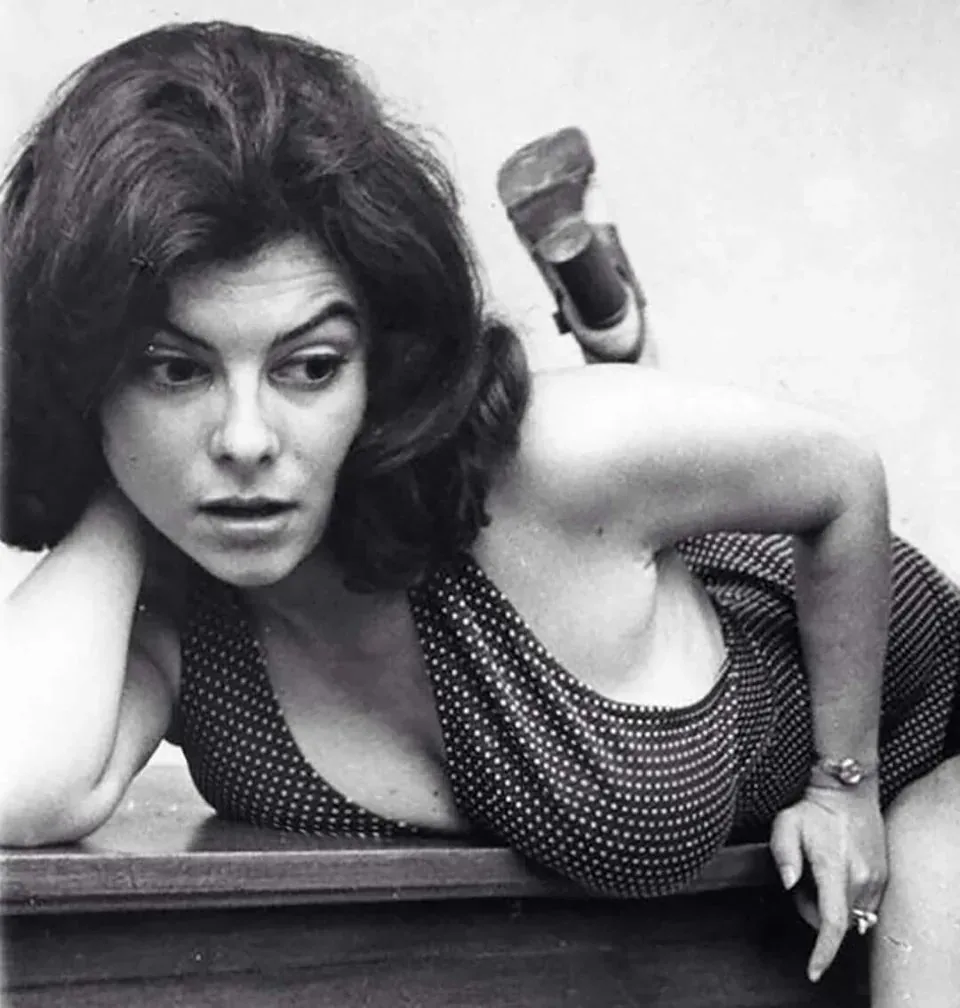
Few actresses have built a career as fearless, unconventional, and enduring as Adrienne Barbeau. Long before Hollywood began openly celebrating women who could be intelligent, assertive, sensual, and self-directed all at once, Barbeau was already embodying those qualities on stage and screen.
Her path—from Broadway success to television fame, from genre-defining horror roles to voice acting and authorship—reveals an artist who consistently refused to be boxed in. Rather than waiting for the industry to change, she carved out space for herself, one bold choice at a time.
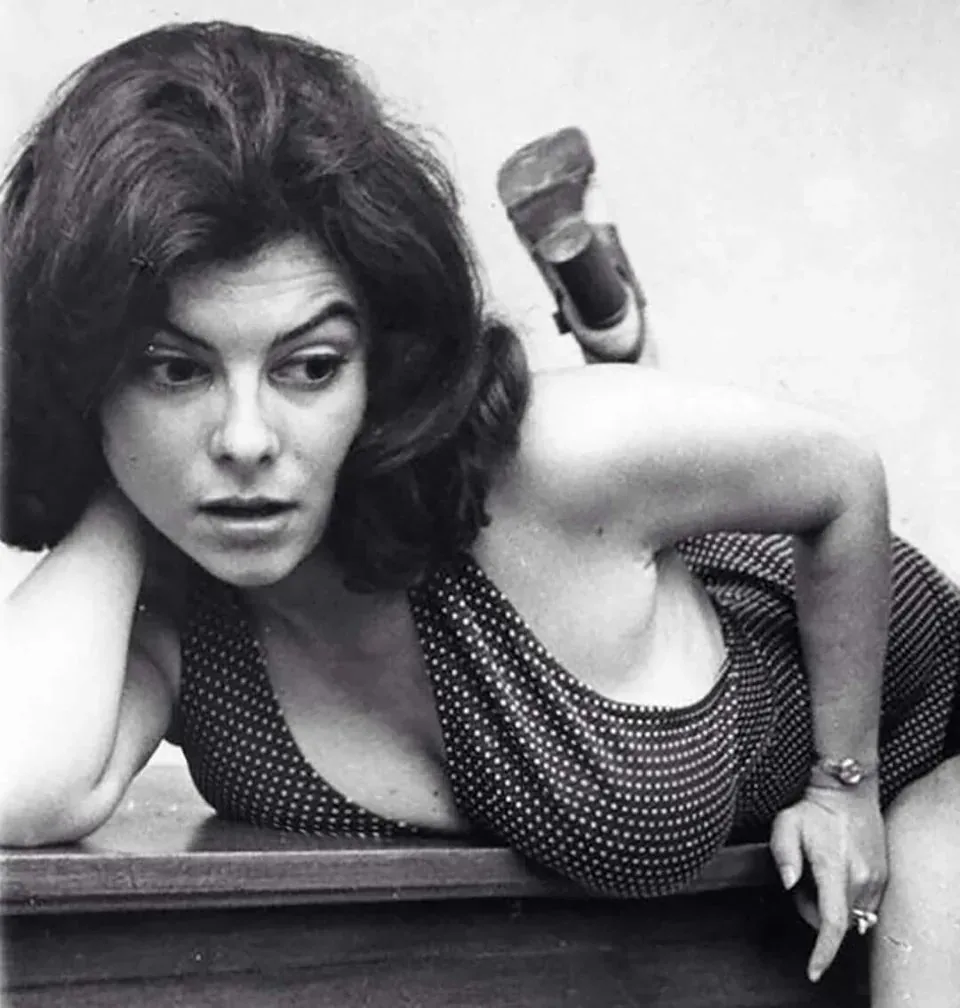
Born on June 11, 1945, in Sacramento, California, Adrienne Barbeau’s early life was shaped by movement and impermanence. Her father worked as a public relations executive for Mobil Oil, and the family relocated frequently throughout her childhood.
Constantly adapting to new schools, cities, and social environments taught Barbeau resilience and self-reliance early on.
While instability can be unsettling, it also sharpened her ability to observe people, read situations, and assert her own identity—skills that would later serve her well as an actress.
Unlike many performers who are groomed from childhood for stardom, Barbeau approached acting as a discipline rather than a fantasy. She studied, worked, and refined her craft patiently.
Her first major breakthrough came not in Hollywood, but on Broadway, a space that demanded talent, stamina, and presence rather than image alone. In the early 1970s, she originated the role of Rizzo in the stage production of Grease.
Rizzo was sharp-tongued, confident, and unapologetically tough—far removed from the ingénue roles typically offered to young actresses.
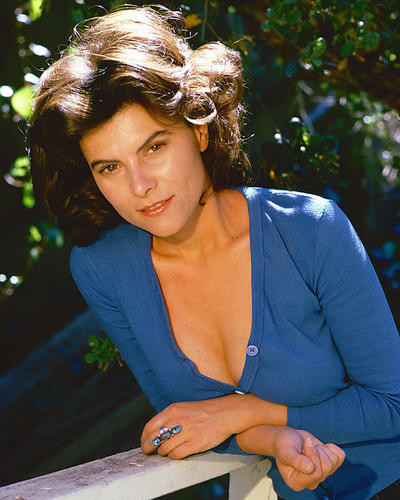
Barbeau’s performance earned her a Tony Award nomination and immediate critical respect. At a time when Broadway served as a proving ground for serious talent, her success signaled that she was more than a passing novelty.
She was an actress with authority. Rizzo was not written to be likable in a conventional sense, yet Barbeau made her magnetic. This ability to command attention without softening her characters would become a defining trait of her career.
Television soon amplified her reach. In 1975, Barbeau joined the cast of Maude as Carol Trainor, the outspoken, independent daughter of Bea Arthur’s titular character.
The sitcom itself was groundbreaking, addressing topics such as feminism, reproductive rights, and social hypocrisy with unprecedented frankness.
Carol was not designed to be agreeable or decorative; she was political, vocal, and often confrontational. Barbeau’s performance resonated with audiences navigating a rapidly changing cultural landscape, and she quickly became a recognizable face in American households.
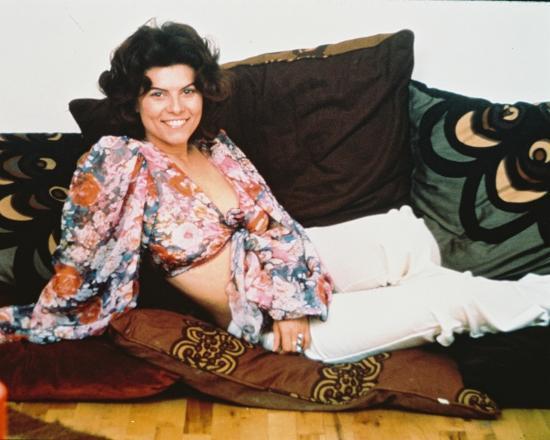
Yet even at the height of her television popularity, Barbeau resisted the safety of repetition. Rather than settling into sitcom roles, she made a deliberate pivot into film—specifically into horror and science fiction, genres that were rarely associated with empowered female characters at the time.
This shift proved transformative, both for her career and for genre cinema.
Her collaboration with director John Carpenter marked a pivotal chapter. In The Fog (1980), Barbeau played Stevie Wayne, a late-night radio host who becomes an unlikely anchor of calm and intelligence amid supernatural terror.
Stevie was competent, grounded, and maternal without being passive. She didn’t scream her way through danger; she navigated it thoughtfully. The performance helped redefine the role of women in horror, offering audiences a protagonist who survived not by chance, but by capability.
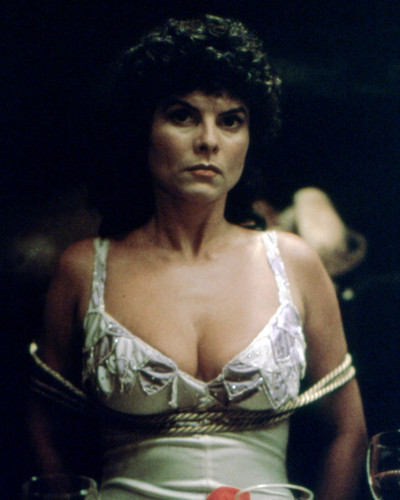
She followed this with Escape from New York (1981), portraying Maggie, a hardened survivor in a dystopian future. Maggie was armed, resourceful, and morally complex—qualities rarely afforded to female characters in genre films of that era.
Barbeau brought physicality and emotional restraint to the role, reinforcing the idea that strength did not require the abandonment of femininity, nor did femininity require weakness. Horror and science fiction fans embraced her not only as a beauty icon, but as a symbol of resilience.
Behind the scenes, Barbeau’s life unfolded with equal complexity. She married John Carpenter in 1979, and their partnership drew significant media attention. However, when the marriage ended in 1984, Barbeau refused to let personal change derail her professional momentum.
In an industry that often punishes women for aging or for redefining their lives, she continued working steadily, without scandal or retreat.

As trends shifted and Hollywood moved on, Barbeau adapted again—this time through voice acting. Her distinctive, husky voice became instantly recognizable in animated series, video games, and genre projects, introducing her to an entirely new generation of fans.
Few performers manage to remain relevant across mediums, but Barbeau embraced this transition with enthusiasm rather than nostalgia.
She also reinvented herself as a writer, publishing memoirs and fiction that explored themes of aging, reinvention, and personal strength. Rather than avoiding conversations about growing older—a common Hollywood taboo—Barbeau confronted them directly.
She spoke openly about visibility, self-worth, and the freedom that comes with experience, challenging an industry that equates youth with value.

Perhaps most unexpectedly, Barbeau became a mother to twins in her fifties, further defying cultural expectations. She did not frame motherhood as a closing chapter, but as another evolution in a life defined by change. Her choices consistently reflected autonomy rather than adherence to prescribed timelines.
What makes Adrienne Barbeau’s legacy remarkable is not simply longevity, but coherence. Across decades, genres, and cultural shifts, she remained true to herself. She did not chase trends or dilute her identity for approval.
Instead, she trusted that intelligence, confidence, and individuality would endure longer than fleeting fame.

Today, Adrienne Barbeau is celebrated not merely as a cult horror icon, but as a trailblazer who expanded what was possible for women in entertainment. Her career stands as proof that strength can be quiet, sensuality can coexist with authority, and reinvention does not require erasing the past.
In an industry that often confines women to narrow roles, Barbeau built her legacy by refusing confinement altogether—shaping her own path with clarity, courage, and uncompromising authenticity.