That staccato, rhythmic pulse—the unmistakable “bionic” sound effect—still echoes in the memory of anyone who grew up gathered around a glowing, wood-paneled television.
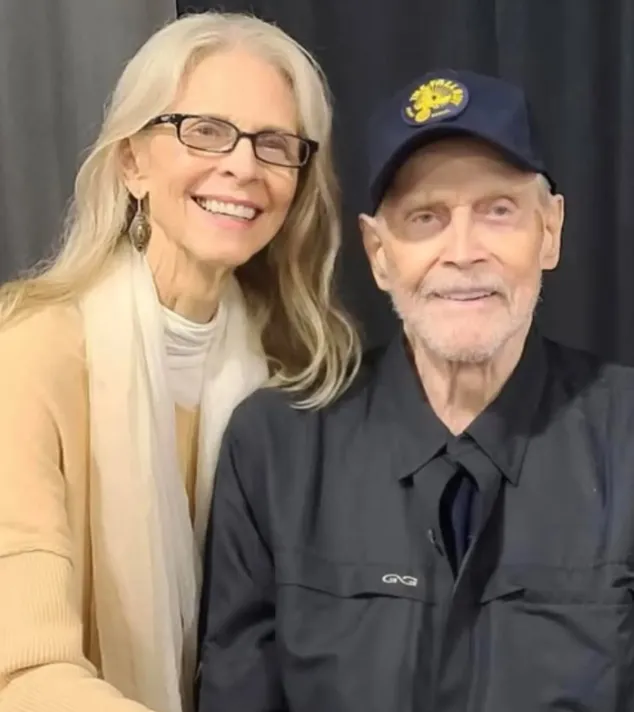
It was the sound of transformation: broken bodies made stronger, human limits pushed beyond possibility. But when Lindsay Wagner and Lee Majors stepped onto a stage together this January, there was no rush of cinematic urgency, no slow-motion sprint or swelling orchestration.
Instead, the moment unfolded with gentle warmth. It felt less like spectacle and more like recognition—two lives that had traveled far yet remained intertwined in the public imagination.
For audiences who first encountered them through The Six Million Dollar Man and The Bionic Woman, the reunion carried a resonance that exceeded nostalgia. These were not simply actors revisiting iconic roles; they were figures who had accompanied viewers across decades of personal change.
Childhood admiration had matured into adult affection. The applause greeting them was not explosive but sustained, the kind reserved for people who feel familiar rather than distant. It was the sound of gratitude—for stories, for endurance, for continuity.
In their original era, the appeal of Steve Austin and Jaime Sommers rested on more than futuristic enhancement. Their narratives centered on recovery. Both characters began with catastrophic injury, loss, and uncertainty.
Their transformation into “bionic” beings was framed not as conquest but as second chance. That emotional foundation distinguished the shows from many contemporaneous science-fiction fantasies.
Strength emerged from vulnerability. Power followed repair. Viewers sensed that what made them heroic was not machinery but resilience.
That theme mirrored the production realities of 1970s television. Effects depended on physical ingenuity rather than digital simulation. Actors trained for demanding stunts, repeating movements until illusion and motion aligned.
Sets were tangible environments, props carried weight, and shooting schedules required stamina.
Majors’ running leaps and Wagner’s acrobatic spins were not rendered later by computers; they were performed in real time. The metaphor of being rebuilt stronger after damage felt convincing because it was enacted through genuine effort.
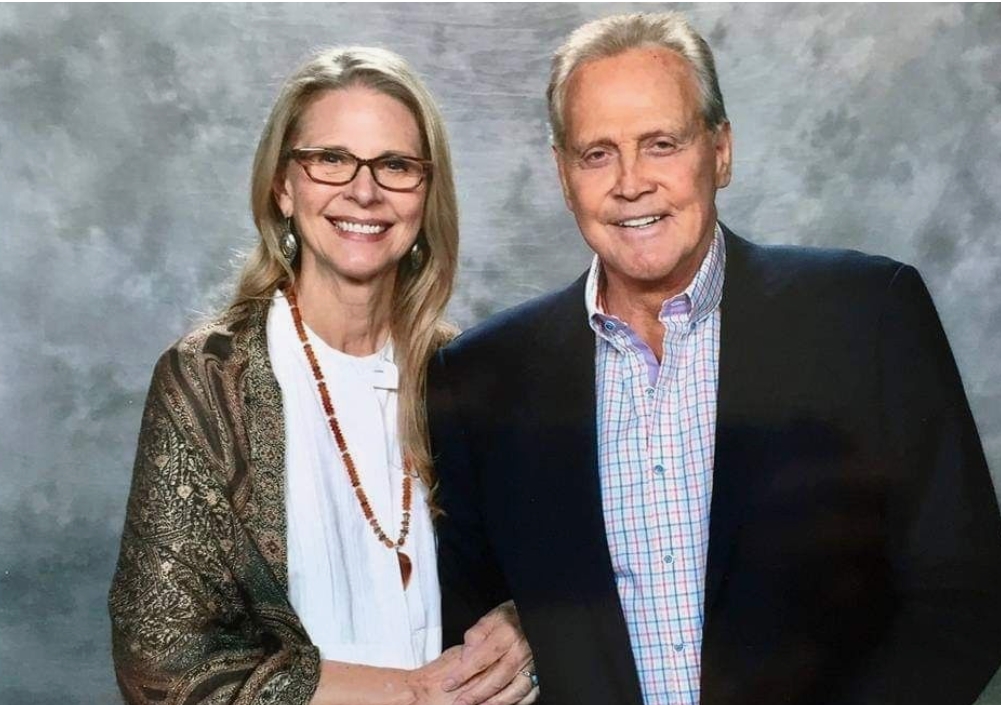
Seeing them today underscores how deeply that authenticity shaped their enduring connection. Majors carries the presence of a man seasoned by decades in a public profession—steady, grounded, quietly confident.
Wagner’s demeanor remains luminous yet contemplative, her warmth tempered by experience. Their interaction on stage reflected ease rather than performance: shared glances, gentle humor, a familiarity that needed no rehearsal.
Their chemistry, once expressed through scripted romance, now appeared as lived rapport—two people who had navigated parallel histories.
This authenticity stands in contrast to contemporary entertainment’s relationship with time. Modern media frequently attempts to preserve youth through digital manipulation—faces smoothed, bodies reconstructed, performances extended beyond physical limits.
While technically impressive, such strategies can feel detached from lived reality. Wagner and Majors embody an alternative: visibility of age without apology. Lines, gray hair, and altered posture become evidence of duration rather than decline. Their presence affirms that continuity of identity does not require concealment.
The audience response suggested how profoundly that visibility matters.
Fans spoke not only of favorite episodes but of life chapters intertwined with them—watching reruns after school, sharing storylines with parents, rediscovering the series during adulthood.
The actors listened, acknowledging memories they had helped shape without witnessing. The exchange transformed celebrity encounter into collective remembrance. In that room, fictional narrative and personal biography overlapped seamlessly.
Their individual journeys since the height of fame deepen this resonance.
Wagner’s advocacy for holistic health and emotional balance reflects an extension of themes embedded in Jaime Sommers’ arc of healing and integration.
Majors’ consistent engagement with fan communities reveals loyalty to the audience that sustained his career.
Both paths echo the core of the bionic narrative: survival followed by purposeful continuation. They did not remain confined to their roles; they expanded them into real-world identities.
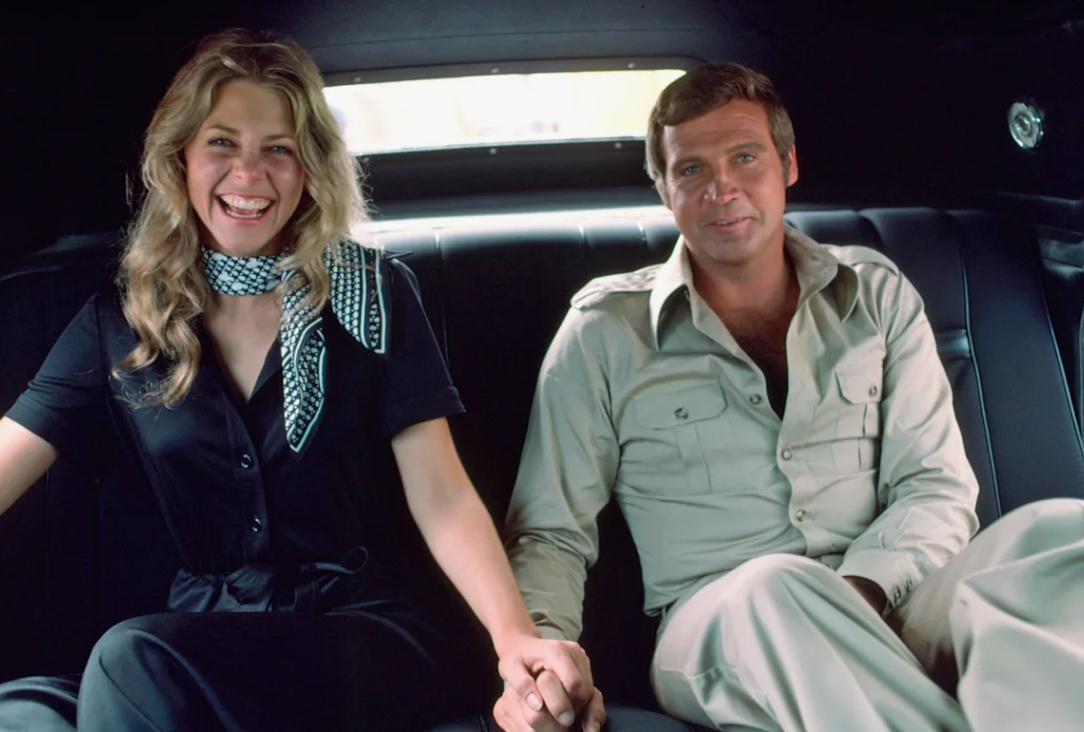
This evolution reframes the meaning of “bionic” in contemporary terms. Originally signifying mechanical augmentation—stronger limbs, sharper senses—the concept now appears metaphorical.
Wagner and Majors demonstrate human durability: adaptation to aging, changing cultural relevance, and industry transformation without surrendering selfhood. Qualities once dramatized through slow-motion feats now appear in quieter form—dignity, humor, perseverance.
Their endurance requires no circuitry.
Culturally, their reunion also recalls an earlier technological optimism.
The 1970s imagined integration of human and machine as hopeful enhancement. Today’s relationship with technology is more ambivalent, shaped by acceleration and virtuality.
Against this backdrop, Wagner and Majors represent a gentler vision: that innovation should support humanity rather than eclipse it. Their visibly aging bodies reaffirm the value of organic presence in an increasingly mediated world.
As the event drew toward its close, the absence of theatrics became its own statement.
There was no reenactment, no dramatic callback. The two simply acknowledged each other and the audience with unforced affection.
The stillness carried weight. Once, their characters ran in synchronized slow motion across television screens; now they stood side by side quietly, and that stillness felt more revealing than any stunt. It showed what persists after performance fades: relationship, memory, shared time.
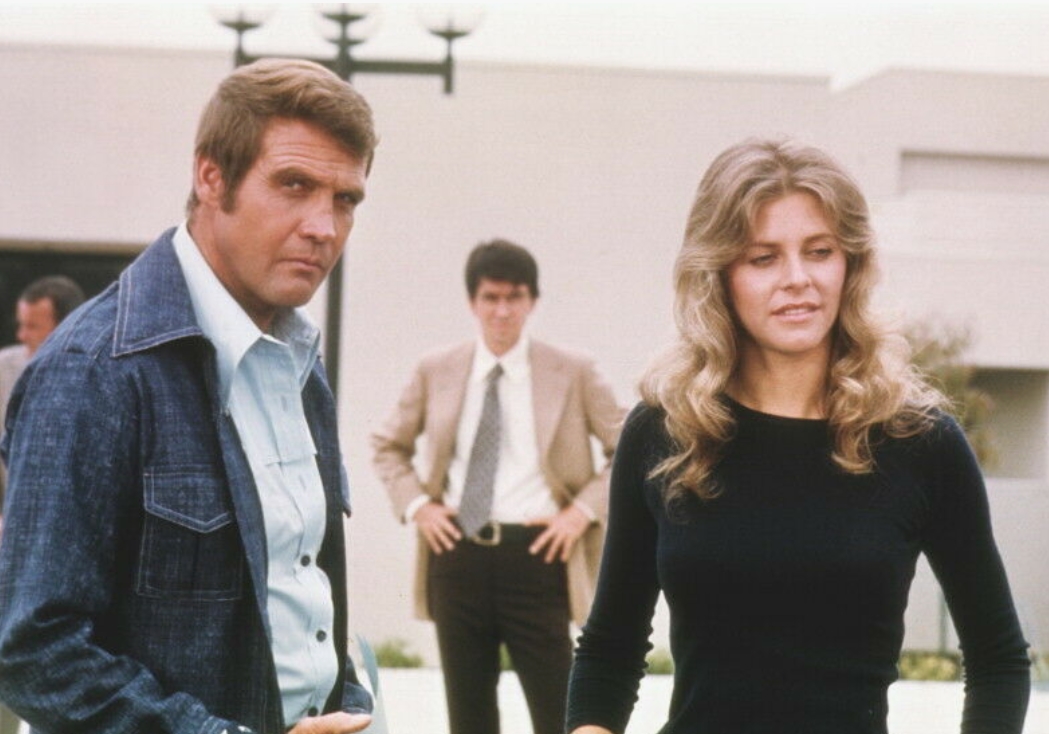
In 2026, audiences no longer seek Steve Austin and Jaime Sommers for fantasies of superhuman capability. They look to the people who embodied them for another lesson—how to inhabit time with integrity intact.
Wagner and Majors demonstrate that while technology can simulate perfection, meaning arises from experience. Their reunion did not revive the past; it illuminated its continuation into the present moment.
They remind us that some legacies are not engineered but lived.
Their bond was never fundamentally about hardware or spectacle; it emerged from collaboration, respect, and growth under public gaze.
Decades after the iconic sound effect first signaled transformation, they now represent a different kind of reconstruction—the shaping of identity through years rather than machinery. And in that human durability, audiences recognize something enduring: a bionic heart defined not by technology, but by resilience.